

Getting the perfect spinning rod and reel combo can be a game-changer for both beginner and seasoned anglers. Choosing the right set not only improves your casting accuracy but also makes fishing trips more enjoyable. Let’s dive in to help you find the ideal combo for easy, worry-free casting.
Snippet Answer: The right spinning rod and reel combo starts with matching the rod power and length to your target fish, selecting a reel suited for your preferred line type, and ensuring comfort in handling. Aim for a balanced, lightweight setup that’s easy to cast repeatedly.
What are the main benefits of using a spinning rod and reel combo?
A spinning rod and reel combo offers smooth casting, reduced tangles, and user-friendly operation. It’s ideal for beginners thanks to its versatility and ease of use, while still providing the sensitivity and performance needed by experienced anglers.
Selecting a well-matched spinning rod and reel combo simplifies fishing. Combos are designed by manufacturers to work seamlessly, making casting effortless and reducing the learning curve. They’re compatible with many lure types and fishing techniques, from ultralight freshwater to light saltwater action. Additionally, combos are typically more affordable than purchasing rod and reel separately, offering excellent value to anglers just starting out. This combination also boosts sensitivity, allowing you to detect even the slightest bites.
How do I choose the right rod length and power for my fishing style?
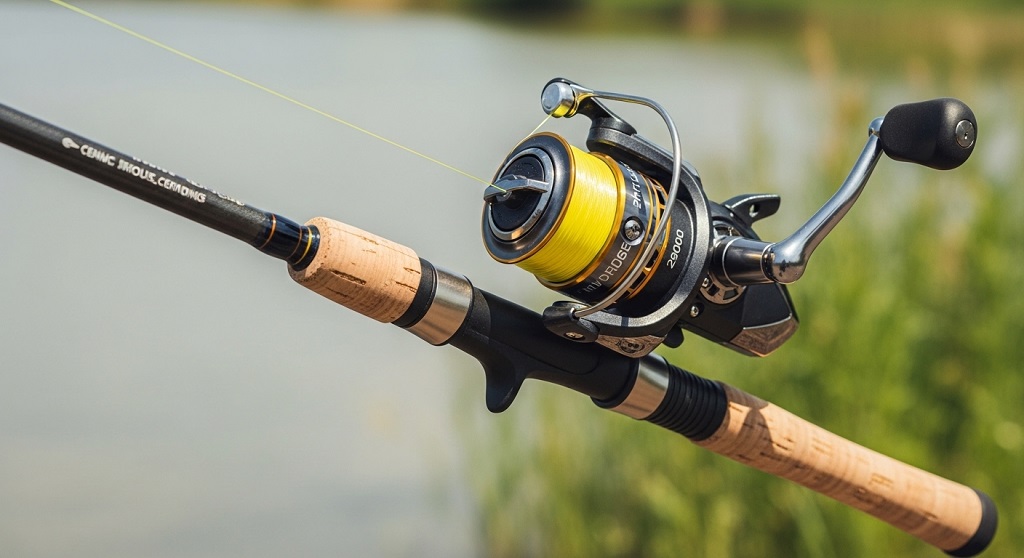
Choose rod length based on your casting distance needs and surroundings; opt for power level according to your target species size. Longer rods cast farther, while shorter rods offer more control. Light power is ideal for small fish, while medium-heavy suits larger species.
Rod length can range from about 5 feet (shorter for tight spaces or kayak fishing) to 8 feet (for longer casting on open water). For general freshwater fishing, a rod between 6 and 7 feet is a versatile choice. Power refers to the rod’s resistance to bending. Use ultralight or light power for panfish and trout, medium for bass, and medium-heavy to heavy for catfish or inshore saltwater species. Matching rod length and power to your usual fishing environment and target fish helps you maximize control and casting performance.
- 5-6 ft: Great for precise, short casts.
- 6-7 ft: Versatile, suitable for most freshwater fish.
- 7-8 ft: Longer casting, ideal for open water.
Which reel size is best for easy casting and handling?
For easy casting, choose a spinning reel with a size between 2000 and 3000 for freshwater, or 4000 for medium saltwater use. Smaller reels are lighter, allowing for long casting sessions without fatigue while still providing enough line capacity.
Spinning reels are measured numerically (e.g., 1000, 2000, 3000, etc.). A 2000 size reel is suitable for light lines and panfish. Moving up to 2500 or 3000 handles bass, walleye, and trout well with a typical 6-12lb line range. The larger 4000 size can handle heavier lines and bigger fish found in saltwater or big lake settings. A correctly sized reel balances the rod and makes casting, retrieving, and fighting fish much smoother, preventing unnecessary hand strain.
What features make a spinning rod and reel combo beginner-friendly?
Beginner-friendly combos offer lightweight construction, smooth drag systems, anti-reverse reels, and comfortable grips. These features help new anglers cast easily, prevent line twists, and reduce hand fatigue during longer fishing sessions.
When starting out, look for combos with easy-to-adjust drag and clear instructions. EVA foam or cork handles provide all-day comfort, while an anti-reverse mechanism ensures the handle doesn’t spin backward when setting the hook. Pre-spooled reels simplify setup, letting you hit the water faster. Additionally, combos made from composite materials are less prone to damage from accidental drops, making them ideal for new anglers who are still learning proper handling and care.
- User-friendly reel with clear drag adjustment
- Lightweight rod for easy casting and portability
- Cushioned handle for grip and comfort
- Pre-balanced design for fatigue-free use
How do materials affect the performance of a spinning rod and reel combo?
The materials used in rods and reels determine their strength, sensitivity, durability, and weight. Graphite rods are sensitive and lightweight; fiberglass rods offer increased toughness, while composite rods blend sensitivity with strength for most fishing environments.
Graphite rods deliver excellent feedback, ideal for feeling subtle bites and light presentations. Their lightweight design makes repeated casting effortless, but they’re more prone to breakage under extreme stress. Fiberglass rods are heavier but can withstand more abuse, perfect for beginners or fishing techniques requiring more force. Composite rods (graphite-fiberglass blends) provide the best of both worlds, balancing sensitivity and resilience. On the reel side, aluminum spools and frames offer stability and corrosion resistance, while high-quality ball bearings keep retrieves smooth and reliable. Carefully consider these material differences to match your combo to your fishing style and local conditions.
Should I buy a pre-matched combo or assemble my own setup?
Pre-matched spinning rod and reel combos offer excellent convenience and value, especially for beginners. However, assembling your own setup allows for personalization and fine-tuning if you have more specific fishing requirements or preferences.
Pre-matched combos save time and guarantee that rod and reel components are balanced and compatible. They are great for new anglers or those who want a reliable, no-fuss solution. Assembling your own combo gives experienced anglers greater flexibility, letting you handpick features like gear ratio, handle material, and rod action. However, mismatched setups can lead to balance and performance issues if not done carefully. If you’re just starting or want a hassle-free option, a pre-matched combo is an excellent choice.
What are the top factors to compare when shopping for a spinning rod and reel combo?
When comparing combos, focus on rod length, power, reel size, gear ratio, material, bearings, and overall weight. These features impact casting distance, fish-fighting confidence, comfort, and longevity, helping you find the combo best suited for your needs.
| Feature | Importance | Beginner Recommendation |
|---|---|---|
| Rod Length | Affects casting distance and handling in tight spaces | 6’6″ to 7’0″ |
| Rod Power | Determines the type/size of fish targeted | Medium |
| Reel Size | Influences weight and line capacity | 2000-3000 |
| Material | Impacts sensitivity, weight, and durability | Graphite/Composite |
| Gear Ratio | Affects retrieval speed | 5.2:1 – 6.2:1 |
| Bearings | Ensures smooth drag and reeling | 5+ |
Comparing these features side by side ensures your purchase meets your skill level and fishing environments. Prioritize ergonomics and durability for a reliable, enjoyable angling experience.
How can I maintain and extend the life of my spinning rod and reel combo?
Regular cleaning, careful storage, and prompt repair of any damage will maximize your combo’s lifespan. Clean your combo after each fishing trip, especially after saltwater use, and store it in a cool, dry place away from sunlight.
After every outing, rinse your rod and reel with fresh water to prevent corrosion. Wipe it down with a soft cloth and fully dry. Periodically lubricate the reel and check for line wear. Avoid storing your combo under heavy loads or in areas prone to extreme temperatures. If you notice loose guides or reel seats, repair them immediately. By following these simple care steps, your spinning rod and reel combo will deliver years of reliable casting performance and keep every fishing adventure fun and productive.
What casting mistakes should you avoid with a spinning rod and reel combo?
Avoid overfilling the spool, using excessive force, or incorrect grip. These mistakes cause tangles, reduce casting distance, and can damage your equipment. Practice smooth, controlled casts for the best results with your spinning rod and reel combo.
Overstuffing the spool creates tangles and wind knots. Gripping the rod too tightly limits wrist movement, reducing casting efficiency. For smooth, easy casting:
- Don’t exceed the line limit marked on the reel spool.
- Use an open, relaxed grip on the handle.
- Start with shorter, controlled casts, increasing distance as you gain confidence.
- Close the bail manually after each cast to prevent line twists.
Mastering proper technique unlocks the full potential of your combo, leading to longer casts and fewer tangles, so you spend more time catching fish and less time fixing gear.
How do you match fishing line to your spinning rod and reel combo?
Match your fishing line to the rod’s recommended weight (marked above the reel seat), and ensure the reel holds enough line for your fishing needs. Use lighter lines (4-8lb) for small fish, heavier (10-20lb) for bass or coastal species.
Most spinning rods include optimal line specifications printed above the handle. Following these recommendations ensures peak casting performance and prevents rod breakage. Braided lines offer strength and thin diameter, while monofilament and fluorocarbon provide stretch and invisibility in clear water. Each style impacts casting distance, sensitivity, and lure action, so experiment to find what works best for your fishing goals and water conditions.
Conclusion: Ready for Effortless Casting?
The journey to finding the right spinning rod and reel combo doesn’t have to be complicated. By considering rod length, power, matching reel size, and choosing comfortable, durable materials, you’re already ahead of most anglers. Remember, a well-balanced combo makes every cast easier and keeps you on the water longer with less fatigue.
Don’t let mismatched gear or confusing specs hold you back! Start with a quality combo designed for effortless casting. Take the time to care for your setup, and you’ll enjoy smooth casts, fewer tangles, and more productive fishing trips. Now, it’s your turn—explore options and pick the spinning rod and reel combo that suits your adventure. Tight lines!
FAQ: Spinning Rod and Reel Combo Questions Answered
What’s the difference between a spinning combo and a baitcasting combo?
A spinning combo features an open-faced reel under the rod, ideal for beginners and light lines. Baitcasting combos have a spool parallel to the rod and offer more control for advanced anglers, but are harder to master and prone to backlashes without proper technique.
Can I use the same spinning combo in both fresh and saltwater?
Many spinning rod and reel combos are versatile enough for both environments. However, saltwater can quickly corrode unprotected gear. Choose combos labeled “saltwater safe” with corrosion-resistant bearings, and always rinse thoroughly after saltwater exposure to enhance longevity.
How do I know if my combo is balanced?
Balance your combo by placing a finger at the point where the rod meets the reel seat. If the setup stays level, it’s balanced. An unbalanced combo feels “tip heavy” or “butt heavy,” leading to hand fatigue and awkward casting.
What is a fast action rod, and do I need it?
Fast action rods bend mostly at the tip, offering greater sensitivity and quick hook sets. They’re great for single-hook lures, whereas slower action rods (bend deeper) are better for treble hooks and fighting bigger fish. Choose based on your preferred fishing style and target species.
How often should I replace the fishing line on my spinning combo?
Replace monofilament after every 1-2 seasons, fluorocarbon every 2-3 seasons, and braid when it shows fraying. Heavy use, UV exposure, or saltwater can shorten line life. Regularly check your line for nicks or damage and replace as needed.
Are more ball bearings always better in a reel?
More ball bearings often mean smoother operation, but quality matters more than quantity. A reel with five high-quality bearings usually outperforms one with ten low-quality bearings. Look for sealed or shielded bearings, especially for saltwater use, for added durability.
Do I need to buy an expensive combo to fish successfully?
No. Many affordable spinning rod and reel combos deliver excellent performance and durability. Focus on matching the combo’s specifications to your fishing needs rather than price alone. Reliable, budget-friendly options are available for anglers at any experience level.
Read More Also: How long does it take to install CCTV?
Learn More: How to Maximize the ROI of Ceramic Coating: Prep, Maintenance, and Reapplication Tips