
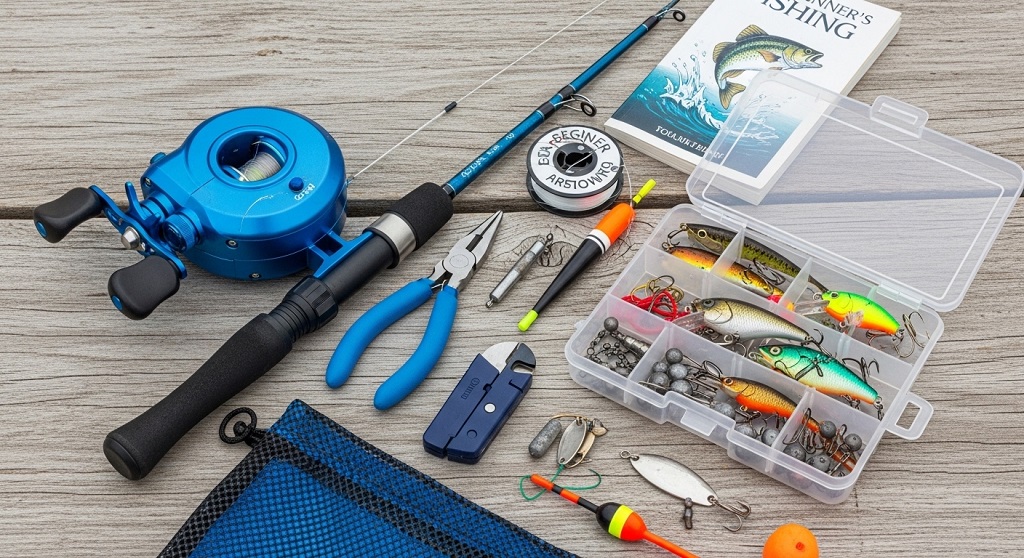
A fishing starter kit for beginners includes a spinning rod and reel combo, basic fishing line, a small selection of hooks, sinkers, bobbers, a tackle box, and a few lures or baits. Start simple, focus on quality over quantity, and build your gear as you learn.
Embarking on your fishing journey is exciting, but shopping for gear can be overwhelming. Aisles are packed with endless options, confusing packages, and tempting gadgets. How do you know what you actually need? Buying too much—or the wrong stuff—can lead to frustration. The good news: success starts with a focused, affordable fishing starter kit for beginners. In this guide, we’ll break down the exact essentials, offer tips for easy setups, and guide you toward that all-important first catch. Whether you’re fishing ponds, rivers, or lakes, you’ll gain the confidence to hit the water, stress-free, and ready to reel in some memories.
What should a fishing starter kit for beginners include?
A basic fishing starter kit for beginners should include a spinning rod and reel combo, fishing line, hooks, sinkers, bobbers, a small tackle box, and basic artificial lures or live bait. These items cover most freshwater fishing situations and allow you to learn safely and efficiently.
The core of any beginner’s fishing kit is a balanced rod and reel combo—it’s easy to use, affordable, and versatile. Fishing line comes pre-spooled on many reels, but it’s wise to carry extra. First-timers only need a handful of hooks (sizes 6-10), a pack of split shot sinkers, and a couple of bobbers to detect bites. A compact tackle box keeps your gear organized. Round out your kit with a few soft plastic worms or grubs (for artificial bait), or pack some earthworms or corn (for live bait). This streamlined approach ensures you’re well-equipped for most local fishing opportunities without overspending or overpacking.
How do you choose the right rod and reel for beginners?
Beginners should choose a 6–7 foot medium-light spinning rod and a matching spinning reel. This combo is lightweight, handles various fish species, and is user-friendly, making casting and reeling straightforward for new anglers.
The spinning rod and reel setup is the gold-standard for newcomers. It reduces line tangles and is less intimidating than baitcasters or fly rods. Look for brands like Ugly Stik, Shimano, or Daiwa when starting out—they offer durability without breaking the bank. Pair your rod with a reel that can hold 4–10 lb test line, and you’ll be ready for anything from panfish to small bass or trout. Many retailers offer complete combos that are pre-matched, ensuring proper balance and ease of use right from the start.
What type and strength of fishing line is best for beginners?
Monofilament fishing line in the 6–8 lb test range is the best choice for beginners. It’s cheap, forgiving, easy to see, and works well for most freshwater fish, making it ideal for learning basic casting and knot-tying.
Monofilament offers stretch, which helps absorb the shock of sudden bites and mistakes. Thicker lines are visible in water and harder to manage, while thinner lines snap easily. Stick to a clear or green mono line for most lakes and ponds. Fluorocarbon and braided lines are more advanced, offering specialized advantages, but they are trickier for beginners. As your confidence grows, you can experiment with these tougher options; but when starting out, monofilament is both effective and easy to handle.
Which fishing hooks, sinkers, and bobbers do you need?
For a fishing starter kit for beginners, gather a pack of Aberdeen or baitholder hooks (sizes 6–10), split shot sinkers, and a couple of small round bobbers. These cover most live bait scenarios and make bite detection simple.
The right hooks are small enough for bluegill and sunfish but strong enough for bass or trout. Split shot sinkers pinch easily onto your line for adjustable weight. Bobbers let you see when a fish bites and suspend bait off the bottom. Red-and-white round bobbers are classic and effective. Avoid oversized hooks or weights—they can scare away fish and make casting challenging. With this simple trio, you’ll be able to target a wide range of beginner-friendly species on ponds and slow-moving streams.
What artificial lures or live bait work best for beginners?
Soft plastic worms, grubs, and spinnerbaits are top beginner lures. For live bait, nothing beats earthworms or nightcrawlers. Both options reliably attract fish like bluegill, perch, crappie, and small bass.
Artificial lures require just a simple cast-and-retrieve, making them ideal for those new to fishing. Small soft plastics (2–4 inches) mimic prey and entice bites even from cautious fish. Spinnerbaits add flash and vibration, gaining attention in murky water. For live bait, just thread a worm onto a hook and attach a bobber above—the classic method for catching fish anywhere. Both approaches work well, and you can experiment to see which is most effective in your local water. Always check regulations on bait in your state.
How do you organize and carry your fishing tackle?
Use a compact tackle box or bag with divided trays or pockets to keep hooks, sinkers, and lures separated. An organized fishing starter kit for beginners saves time on the water and prevents lost or tangled gear.
Simple organization strategies help beginners avoid the chaos of fishing gear. Basic plastic tackle boxes with adjustable compartments allow you to sort items by type and size. Label each section or use small Ziploc bags for even better order. Soft tackle bags offer lightweight flexibility and often fit into backpacks. Always pack your gear in the same spot every time you go fishing—this builds good habits and reduces stress. Remember to toss in essentials like pliers, scissors, and a small first aid kit.
- Top organization tips:
- Use divided trays for hooks, sinkers, and lures.
- Keep often-used gear at the top for quick access.
- Add moisture-absorbing packs to prevent rust.
- Label each compartment or color-code for easy ID.
What are the most common mistakes when building a beginner fishing kit?
Common mistakes include buying too much gear, choosing the wrong rod size, using complicated tackle, and forgetting important accessories like pliers or sunscreen. Simple, quality items are better than a crowded, confusing tackle box.
Many beginners fall into the trap of purchasing every gadget and lure available. This leads to an overloaded kit and unnecessary frustration. Another issue is picking a rod that’s too long or stiff, which makes learning to cast much harder. Some opt for advanced gear—like baitcasters or expensive lures—before mastering the basics. Essential accessories also get overlooked: pliers for removing hooks, a hand towel, and sun protection all prevent mishaps. Resist impulse buys. Focus instead on a core set of proven items that keep you prepared and efficient on the water.
How does a pre-assembled fishing starter kit compare to building your own?
A pre-assembled fishing starter kit for beginners offers convenience and simplicity, while building your own kit allows for customization and often higher quality gear. Consider your budget, knowledge, and fishing locations when choosing.
Pre-assembled kits are grab-and-go. They save time, include the basics, and help eliminate decision fatigue. However, the included gear is sometimes generic or low quality. Building your own kit lets you tailor each item but requires more research and potentially higher up-front costs. If you’re brand-new or buying a gift, a starter kit is a great way to begin. But for those who want better value and performance, assembling your own kit ensures you get exactly what you need, suited to your fishing style and local waters.
| Feature | Pre-Assembled Kit | Build Your Own |
|---|---|---|
| Convenience | Very high; ready to use | Requires research |
| Customization | Low; one-size-fits-all | High; choose your own gear |
| Quality | Basic, budget-friendly | Often higher |
| Cost | Low to moderate | Varies; can be higher |
| Best For | Absolute beginners |
Customized needs, improving anglers |
How can beginners set up their fishing gear for their first trip?
Thread your fishing line through the rod guides, tie on a hook (using the improved clinch knot), add a sinker and bobber, and bait your hook. Practice casting in your yard before hitting the water for a confident, frustration-free first fishing experience.
Setting up your gear right is a big confidence booster. Spool your reel with 6–8 lb monofilament line. Pass the line through all rod guides, then attach a small hook using a simple, strong knot. Pinch on a split shot sinker about 12–18 inches above the hook, and clip a bobber 2 feet above that. Bait your hook, then practice smooth, overhead casts on open ground. Reeling in and casting with your setup at home helps anticipate problems before you get to the lake. Your first catch will be less luck—and more skill!
- Beginner Setup Checklist:
- Spinning rod and reel, spooled with monofilament
- Size 8 hook and split shot sinker
- Small round bobber
- Live bait (worm) or soft plastic lure
- Pliers and small tackle box
How do you maintain and care for beginner fishing gear?
Rinse all gear in fresh water after every use, dry thoroughly, and store in a cool, dry place. Check lines and hooks for damage, and keep tackle boxes organized to extend the life of your fishing starter kit for beginners.
Maintenance is simple but essential. Salt, dirt, and even grass can shorten the life of rods, reels, and tackle. After fishing, rinse your rod, reel, and tackle with clean water, then wipe dry with a towel. Inspect your line for nicks—replace if you notice fraying or weakness. Hooks lose their sharpness over time, so replace or touch them up. Store all gear indoors—excess sun and moisture can cause corrosion and breakdown of plastics or metals. Regular cleaning and organization mean fewer headaches next time you head out!
What essential fishing accessories should beginners include?
Every fishing starter kit for beginners should include needle-nose pliers, nail clippers or scissors, a hand towel, sunscreen, bug spray, and a hat or sunglasses for sun protection. These accessories are crucial for safety and convenience.
The right accessories make fishing safer and more enjoyable. Pliers help remove hooks easily without harming the fish—or yourself. Clippers or scissors trim excess line or knots cleanly. A towel keeps hands dry, especially after handling fish or bait. Sun protection and bug spray are essential, particularly for long outings on the water. Throw in an ID, fishing license, and a bottle of water, and you’re ready for a day of hassle-free fishing. These small additions often make the biggest difference!
Conclusion: Ready to build your own fishing starter kit for beginners?
Taking up fishing should be relaxing—not stressful. With the right starter kit, beginners can focus on fun and learning, not on fumbling with gear or regretting purchases. The essentials are straightforward: a quality spinning combo, simple tackle, basic bait or lures, and some smart accessories. Skip the flashy extras and trendy gadgets—for now—until you find your own fishing style. Whether you pick a pre-assembled kit or hand-pick your equipment, following these tips will have you landing fish and building happy memories in no time.
Ready to gear up and hit the water? Start assembling your beginner fishing starter kit today. Drop us a comment below or share your first-catch story—we’d love to hear from you and cheer your success!
Frequently Asked Questions: Fishing Starter Kit for Beginners
How much should I spend on my first fishing starter kit?
You can build an effective starter kit for $40–$80. This range covers a reliable spinning combo, some tackle, and basic lures or bait. As your skills grow, invest gradually in higher-quality gear. Avoid overspending early—fishing should be accessible and enjoyable.
Can kids use the same fishing starter kit as adults?
Yes, with small adjustments. Choose a shorter (4–5 foot) rod for kids, as it’s easier for them to cast and control. Use smaller hooks and bobbers to increase bite success. Adult beginner kits work well for teens and older kids, too.
Do I need a fishing license as a beginner?
Most areas require a fishing license, even for beginners. Check local regulations online or at your state fish and wildlife office. Fishing without a license can lead to fines. Many states offer affordable short-term or youth licenses for first-timers.
What fish can I catch with a beginner fishing starter kit?
Most kits are perfect for panfish (bluegill, sunfish, crappie), perch, trout, and small bass. These species live in ponds, lakes, and slow rivers. Upgrading your tackle allows you to pursue larger fish, but the basics are enough to get started almost anywhere.
How do I know if my line or knot is strong enough?
For most small freshwater fish, 6–8 lb test monofilament and a properly tied clinch knot are plenty strong. Test your knots by pulling firmly before fishing. If in doubt, retie! Watching your line for nicks and frays prevents break-offs.
Is it OK to handle fish with bare hands?
Yes, but wet your hands first to protect the fish’s slime coat, which helps prevent disease. Use gentle, quick handling and release fish promptly if you’re practicing catch-and-release. Needle-nose pliers make hook removal safer for both you and the fish.
What should I do with leftover live bait?
Dispose of unused bait responsibly: dump earthworms in the trash or local compost, not the water, and never release non-native bait into new ecosystems. Some shops accept bait returns. Proper disposal helps protect native fish, plants, and waterways.
Read More Also: How long does it take to install CCTV?
Learn More: Why Call Buttons Are Used in Grocery Stores