
The difference between forgettable pasta and restaurant-quality pasta is often hidden in a dairy aging room, not a pasta pot. Wisconsin cheddar pasta becomes richer, creamier, and more flavorful when you choose the right cheddar variety and use it correctly. Whether you prefer sharp cheddar, aged cheddar, or artisan cheddar, Wisconsin-made cheese can transform ordinary macaroni, baked pasta, and creamy sauces into dishes with deeper flavor and better texture.
Many home cooks spend money on premium pasta, fresh herbs, and expensive cookware but still end up with bland cheese sauces or grainy textures. The problem is rarely the pasta itself. More often, it comes down to selecting the wrong cheddar or adding it incorrectly. Wisconsin produces some of the most respected cheddar cheeses in the United States, thanks to generations of cheesemaking expertise, high-quality milk, and strict production standards.
If you’ve ever wondered why restaurant pasta tastes richer, smoother, and more balanced than homemade versions, the answer often lies in cheese selection and technique. Understanding how different cheddar styles behave during cooking can help you build creamier sauces, stronger flavor profiles, and more satisfying pasta dishes. This guide explains exactly how to use Wisconsin cheddar to make better pasta at home, including which varieties work best, cooking methods, flavor pairings, and practical tips for perfect results every time.
What Makes Wisconsin Cheddar a Great Choice for Pasta?
Wisconsin cheddar is ideal for pasta because it offers exceptional flavor, reliable melting characteristics, and a wide range of aging profiles suitable for different recipes.
Wisconsin produces more award-winning cheese than any other U.S. state. Cheesemakers combine traditional methods with modern quality standards to create cheddar that performs consistently in cooking. The rich milk supply from dairy farms contributes to the cheese’s smooth texture and complex flavor.
When making pasta, consistency matters. High-quality cheddar melts more evenly, develops better sauce texture, and delivers balanced flavor throughout the dish. If you’re exploring cheese options for different pasta recipes, this comprehensive guide to choosing the right Wisconsin cheese for pasta dishes provides useful insights into matching cheeses with specific pasta styles.
Key advantages include:
- Rich dairy flavor
- Excellent melting properties
- Multiple aging options
- Versatile recipe applications
- Reliable cooking performance
- Strong culinary reputation
Which Type of Wisconsin Cheddar Works Best for Pasta?
The best cheddar depends on the flavor intensity and texture you want in your pasta dish.
Not all cheddar cheeses behave the same way. Aging affects flavor, moisture content, and melting performance. Understanding these differences helps you select the perfect cheese for each recipe.
| Cheddar Type | Age | Flavor Profile | Best Pasta Uses |
|---|---|---|---|
| Mild Cheddar | 2–3 Months | Creamy, buttery | Mac and cheese, family meals |
| Sharp Cheddar | 6–12 Months | Tangy, bold | Cream sauces, baked pasta |
| Aged Cheddar | 12–24 Months+ | Complex, nutty | Finishing cheese, gourmet dishes |
| Artisan Cheddar | Varies | Unique handcrafted flavors | Specialty recipes |
Is Sharp Cheddar Good for Pasta Sauce?
Yes. Sharp cheddar provides stronger flavor without overpowering other ingredients.
Sharp cheddar balances richness with tanginess, making it one of the most versatile choices for pasta sauces. It works especially well with elbow macaroni, penne, rotini, and shells because these shapes hold cheese sauce effectively.
Should You Use Aged Cheddar in Pasta?
Aged cheddar is excellent for adding depth and complexity but should often be combined with younger cheeses for smoother melting.
Because aged cheddar contains less moisture, it can become grainy if overheated. Mixing it with mild cheddar creates a better texture while preserving flavor complexity.
What Makes Artisan Cheddar Different?
Artisan cheddar offers unique flavors created through small-batch cheesemaking techniques.
Many artisan cheddar varieties feature notes of caramel, nuts, fruit, or earthy undertones that add character to gourmet pasta recipes.
How Do You Melt Wisconsin Cheddar Properly in Pasta Sauce?
Cheddar should be melted slowly over low heat after removing the sauce from direct high heat.
The biggest mistake home cooks make is overheating cheese. High temperatures cause proteins to tighten and separate, resulting in grainy or oily sauces.
Follow these steps:
- Prepare a béchamel or cream base.
- Reduce heat to low.
- Add cheese gradually.
- Stir continuously.
- Allow each addition to melt fully.
- Avoid boiling after cheese is added.
This technique creates smooth, creamy sauces that coat pasta evenly.
Which Pasta Shapes Pair Best with Wisconsin Cheddar?
Pasta shapes with ridges, curves, or hollow centers capture cheddar sauce most effectively.
The shape affects how much sauce stays attached to each bite. Some pasta varieties naturally complement cheddar-based dishes better than others.
- Elbow macaroni
- Cavatappi
- Shells
- Penne
- Rigatoni
- Rotini
- Fusilli
These shapes trap creamy cheddar sauces inside grooves and curves, improving flavor distribution throughout the dish.
Is Cavatappi Better Than Elbow Macaroni?
For many cheddar sauces, cavatappi offers better sauce retention because of its spiral ridges and hollow center.
However, elbow macaroni remains the traditional choice for classic baked mac and cheese.
What Ingredients Pair Well with Wisconsin Cheddar Pasta?
Wisconsin cheddar pairs exceptionally well with vegetables, proteins, herbs, and seasonings that balance its richness.
Building complementary flavors helps create more complex and satisfying meals.
Popular pairings include:
- Broccoli
- Caramelized onions
- Roasted garlic
- Crispy bacon
- Grilled chicken
- Mushrooms
- Spinach
- Thyme
- Chives
- Mustard powder
Sharp cheddar combines particularly well with smoky ingredients, while aged cheddar complements earthy vegetables and mushrooms.
Can Cheddar Be Combined with Other Cheeses?
Yes. Combining cheddar with other cheeses often improves texture and flavor balance.
Popular combinations include:
- Cheddar + Gruyère
- Cheddar + Parmesan
- Cheddar + Fontina
- Cheddar + Monterey Jack
- Cheddar + Mozzarella
These blends create smoother sauces while adding complexity to the final dish.
How Can You Make Homemade Mac and Cheese Taste Better?
Using high-quality Wisconsin cheddar and proper cooking techniques dramatically improves homemade mac and cheese.
Many restaurant versions succeed because they focus on ingredient quality and sauce consistency rather than complicated recipes.
Professional tips include:
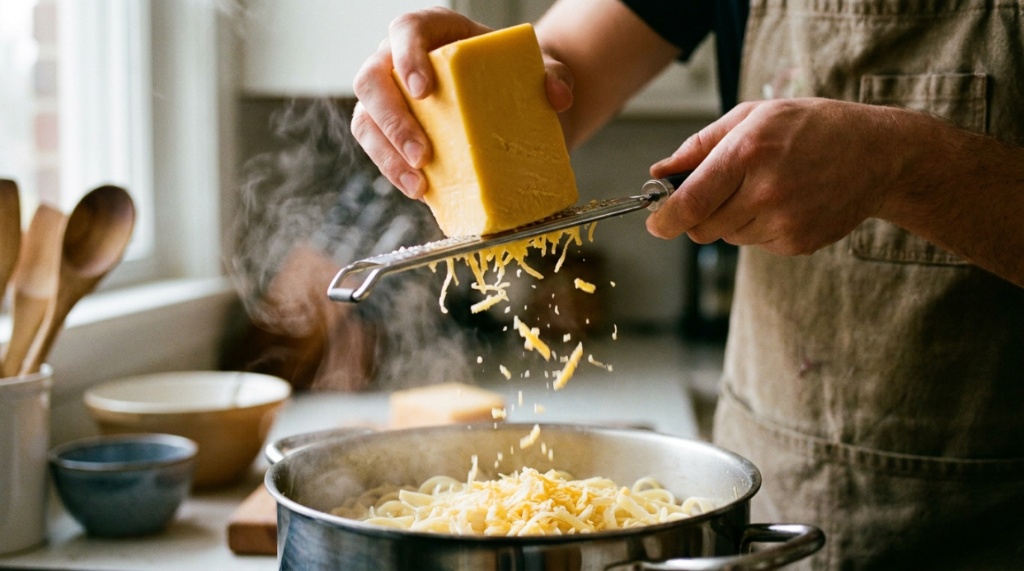
- Shred cheese fresh instead of using pre-shredded products
- Salt pasta water generously
- Use whole milk or cream
- Add mustard powder for depth
- Mix multiple cheddar varieties
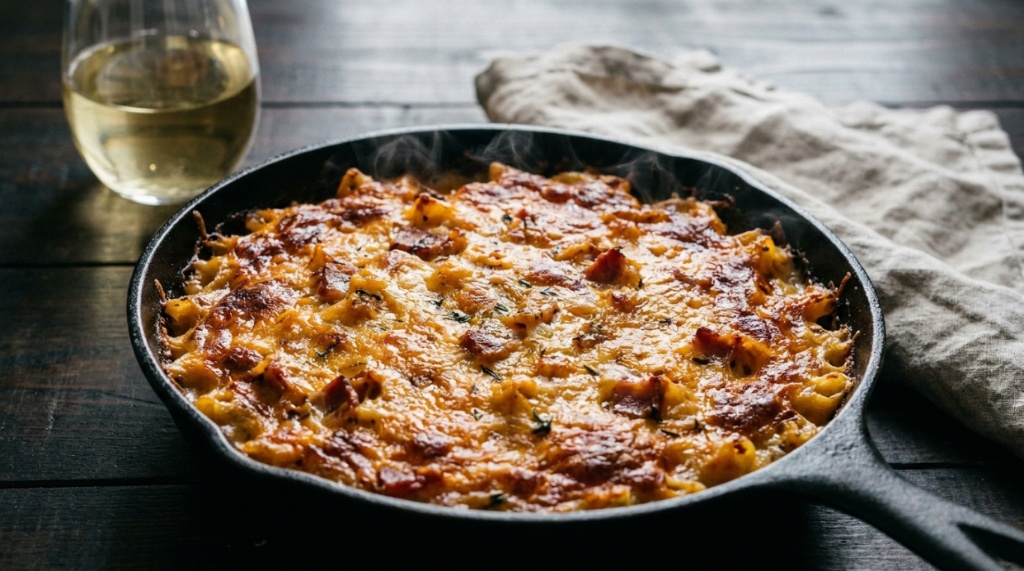
- Bake briefly for a crispy top layer
- Finish with freshly grated aged cheddar
Freshly shredded cheese melts better because it lacks anti-caking agents often found in packaged shredded products.
Does Wisconsin Cheddar Offer Nutritional Benefits?
Wisconsin cheddar provides protein, calcium, phosphorus, and essential nutrients that support overall health.
According to dairy nutrition data, cheddar cheese is a significant source of calcium and protein. These nutrients contribute to bone health, muscle maintenance, and daily nutritional requirements.
| Nutrient | Approximate Benefit |
|---|---|
| Protein | Supports muscle maintenance |
| Calcium | Supports bone health |
| Phosphorus | Works with calcium for bone strength |
| Vitamin A | Supports vision and immunity |
| Vitamin B12 | Supports nervous system function |
When incorporated into balanced meals with vegetables and whole grains, cheddar-based pasta dishes can be both satisfying and nutritious.
What Common Mistakes Should You Avoid When Cooking with Cheddar?
Avoid overheating cheese, choosing low-quality ingredients, and skipping seasoning adjustments.
Even premium cheddar can perform poorly if basic cooking principles are ignored.
- Boiling cheese sauce
- Adding cheese too quickly
- Using pre-shredded cheese exclusively
- Undersalting pasta water
- Ignoring acidity balance
- Overbaking pasta dishes
- Using only one flavor dimension
A small amount of mustard, garlic, or acidity from tomatoes can help balance the richness of cheddar-heavy recipes.
Can Wisconsin Cheddar Be Used Beyond Traditional Mac and Cheese?
Absolutely. Wisconsin cheddar works well in many creative pasta recipes beyond classic macaroni and cheese.
Modern pasta applications include:
- Cheddar Alfredo fusion sauces
- Cheddar broccoli pasta bakes
- Buffalo chicken pasta
- Bacon cheddar penne
- Roasted vegetable cheddar pasta
- Cheddar mushroom rigatoni
- Cheddar spinach casseroles
Artisan cheddar varieties can elevate everyday pasta dishes into restaurant-quality meals by introducing unique flavor profiles not found in standard supermarket cheeses.
Conclusion: How Can Wisconsin Cheddar Transform Your Homemade Pasta?
Wisconsin cheddar can dramatically improve homemade pasta by delivering richer flavor, smoother sauces, and greater recipe versatility. Whether you choose sharp cheddar for bold flavor, aged cheddar for complexity, or artisan cheddar for unique character, selecting high-quality cheese is one of the simplest ways to elevate everyday pasta dishes.
Success comes from understanding how different cheddar varieties behave during cooking, pairing them with complementary ingredients, and using proper melting techniques. Small adjustments—such as shredding cheese fresh, controlling heat carefully, and combining multiple cheddar styles—can produce results that rival restaurant-quality meals.
If you’re ready to experiment with new cheddar varieties and discover which options work best for your favorite recipes, explore this detailed resource on Wisconsin cheese selections for homemade pasta cooking. Then put these techniques into practice and create your most flavorful pasta dish yet.
Frequently Asked Questions About Wisconsin Cheddar Pasta
What is the best Wisconsin cheddar for mac and cheese?
Sharp cheddar is often considered the best all-around choice because it delivers strong flavor while maintaining good melting performance. Many cooks combine sharp and mild cheddar for optimal balance.
Can aged cheddar make cheese sauce grainy?
Yes. Highly aged cheddar contains less moisture and can become grainy if overheated. Mixing it with younger cheddar and melting it slowly helps maintain a smooth texture.
Is artisan cheddar worth using in pasta recipes?
Artisan cheddar can significantly improve flavor complexity. Small-batch cheeses often contain unique tasting notes that add character to gourmet pasta dishes.
Should cheddar be added before or after boiling the sauce?
Cheddar should be added after reducing the heat. Boiling cheese directly can cause separation and create an oily or grainy texture.
Can you freeze cheddar pasta dishes?
Yes. Most cheddar-based pasta casseroles freeze well. Cool completely before freezing and reheat gradually to preserve texture.
Which vegetables pair best with cheddar pasta?
Broccoli, spinach, mushrooms, cauliflower, roasted peppers, and caramelized onions pair particularly well with cheddar-based sauces.
Does freshly grated cheddar melt better than packaged shredded cheese?
Yes. Freshly grated cheddar melts more smoothly because it lacks anti-caking additives that can interfere with sauce texture.