
Every surfer knows the feeling. You pull your board out of the car, and there it is — a fresh ding, a crack, or a pressure dent. Surfboards take a beating, and without the right protection, damage adds up fast. The good news is that protecting your board does not have to be complicated. With the right gear and a few smart habits, you can keep your surfboard in great shape for years to come.
Why Dings Are a Big Deal
A small ding might not seem like much at first. However, even a tiny crack can let water into the foam core of your board. Once water gets inside, the damage spreads. The foam becomes waterlogged, the board gains weight, and your performance suffers. Over time, unchecked dings can completely ruin a surfboard.
Repairs cost money and take time. Therefore, prevention is always the better option. The right gear acts as your first line of defense before your board ever hits the water — or the pavement.
The Role of Anti-Ding Surf Bags and Surfboard Covers
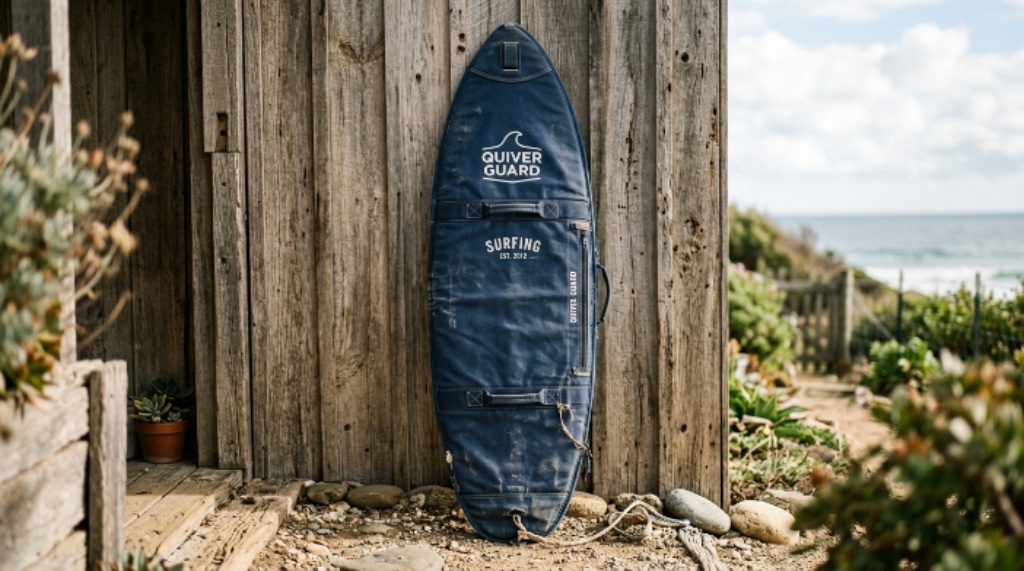
One of the most effective ways to protect your board is to use anti-ding surf bags. These bags are built with thick padding and tough outer shells that absorb bumps and knocks during transport. Whether you are loading your board into a car, checking it onto a plane, or just storing it in a crowded garage, a quality bag makes a real difference.
Surfboard covers, on the other hand, are lighter and more suited for everyday use. They slip over your board quickly and shield it from sun damage, minor scrapes, and dust. Think of surfboard covers as your board’s daily outfit and anti-ding surf bags as its armor for travel days.
Using both together gives you the best protection across all situations.
Choosing the Right Bag for Your Board
Not all bags are created equal. Here is what to look for when picking a bag that truly protects your board.
Padding Thickness
The padding is the heart of any good surf bag. Look for at least 5mm of foam padding for day-to-day use. For air travel or long road trips, go for 10mm or more. Thicker padding absorbs harder impacts and keeps the rails and nose from getting crushed.
Material Quality
The outer fabric matters too. High-density nylon or polyester materials resist tearing and hold up well in rough conditions. Some bags also feature reflective material on the outside. This reflects heat and helps prevent your board from overheating in a hot car — a surprisingly common cause of delamination.
Size and Fit
A bag that is too big lets your board slide around inside. A bag that is too small puts pressure on the nose and tail. Always measure your board’s length and width before buying. Most bags come in standard sizes, but custom options are available for unusual shapes.
Closure System
Zippers should be strong and smooth. Look for YKK zippers or similar quality brands. A broken zipper can leave your board exposed at exactly the wrong moment. Additionally, wide zipper flaps help keep sand and grit away from the teeth, which extends the life of the closure.
Everyday Surfboard Covers: Small Investment, Big Protection
Even when you are not traveling, your board needs protection. Direct sunlight breaks down the resin over time. UV rays cause yellowing and can weaken the structure of your board. A simple surfboard cover keeps the sun off your board when it is sitting outside between sessions.
Additionally, covers protect against casual bumps — the kind that happen when someone walks too close in the parking lot or when the board leans against a wall and slides. These small impacts seem harmless, but they add up over a season.
Look for a cover with a soft inner lining. Fleece or microfiber interiors are gentle on your board’s surface and help wick away moisture after a session. This prevents any leftover salt water from sitting against the resin for too long.
Other Gear That Helps Prevent Ding Damage
Beyond bags and covers, a few extra items can round out your protection setup.
Nose and Tail Guards
These small rubber or silicone pieces attach directly to the nose and tail of your board. These are the two spots most likely to get dinged during transport or storage. Guards absorb direct hits and are easy to install and remove.
Board Socks
A board sock is a snug-fitting fabric sleeve that slides over your whole board. It is lighter than a full cover but still protects against scratches and UV exposure. Socks are great for quick trips to the beach when you want something easy and packable.
Roof Rack Pads
If you carry your board on a roof rack, padded rack covers are essential. Hard metal racks press directly into your board’s underside and can cause pressure dings on longer drives. Rack pads cushion the contact points and keep your board riding flat and safe on top of the car.
Ding Repair Kits
Even with perfect protection, accidents happen. Keeping a small ding repair kit in your bag means you can fix small cracks on the spot. Quick-dry resin kits are available for both polyester and epoxy boards. Catching a ding early prevents water from getting in and keeps a small problem from becoming a big one.
Smart Storage Habits That Make a Difference
Gear alone is not enough. How you store your board matters just as much. Here are a few habits worth building.
- Store your board in a cool, shaded area. Heat causes delamination, especially in boards with EPS foam cores.
- Keep your board off the ground when possible. Wall racks or freestanding racks hold the board safely and reduce the risk of it falling over.
- Never stack heavy items on top of your board. Even other surfboards can leave pressure marks over time.
- Rinse your board with fresh water after every session. Salt residue can work its way into small cracks and speed up damage.
Traveling with Your Board
Air travel is one of the harshest situations a surfboard faces. Baggage handlers do not always treat bags gently. Therefore, extra preparation pays off here.
Use a heavy-duty travel bag with maximum padding. Wrap the fins separately and store them in a fin case. Place extra clothes or towels around the nose and tail for added cushioning. Some surfers also use bubble wrap around the rails for an additional layer of shock absorption.
Additionally, always arrive early and let the airline staff know your bag contains a fragile surfboard. Not all airlines handle boards the same way, so knowing their specific policies ahead of time saves a lot of stress.
Conclusion
Protecting your surfboard from dings comes down to a combination of the right gear and smart habits. Anti-ding surf bags provide serious protection during travel and transport, while surfboard covers handle everyday defense against sun, scratches, and casual bumps. Add in nose guards, board socks, and padded rack covers, and you have a well-rounded system that keeps your board performing at its best. Store it properly, rinse it regularly, and repair small dings before they grow. Your board is an investment — treat it like one.
Frequently Asked Questions
What is the difference between a surfboard cover and an anti-ding surf bag?
A surfboard cover is a lightweight layer of protection for daily use, mainly against UV rays and minor scratches. An anti-ding surf bag has thick padding designed to absorb heavy impacts during travel or transport. Both serve different purposes and work best when used together.
How thick should the padding be in a travel surf bag?
For air travel, look for at least 10mm of padding throughout the bag, especially around the nose, tail, and rails. For short car trips, 5mm is usually enough for everyday protection.
Can I leave my surfboard in a bag inside a hot car?
It is best to avoid this. Even with a reflective bag, heat builds up quickly inside a car. High temperatures can cause delamination, especially in epoxy and EPS boards. Always store your board in a shaded or climate-controlled space when possible.
How do I clean my surf bag or cover?
Most surf bags and covers can be wiped down with a damp cloth and mild soap. Avoid harsh detergents that can break down the fabric or padding over time. Let the bag air dry completely before storing it to prevent mold and mildew.
Are nose and tail guards worth using?
Yes, especially if you travel frequently or store your board in tight spaces. Nose and tail guards are inexpensive and add meaningful protection to the two most vulnerable points on your board. They are easy to apply and can prevent costly repairs.
Related Topics:
How Tight Should a Rash Guard Be for Surfing Comfort?
LOSENKA Maple Deck Comes With Free Grip Tape: Honest Review