
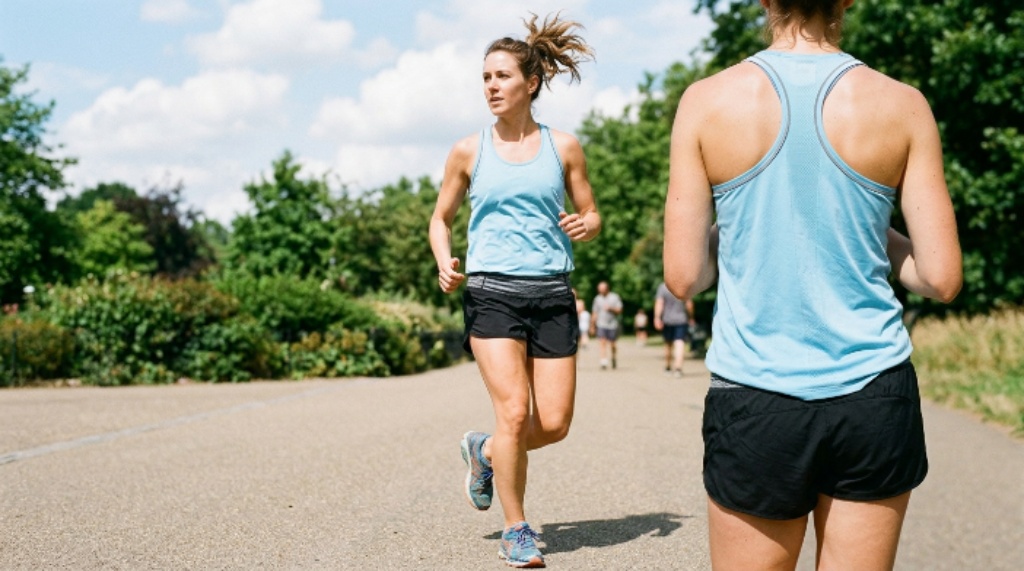
You lace up your shoes. You walk into the gym. Within minutes, sweat starts to build. What you wear on top makes a big difference in how that session feels. A good workout top keeps you dry, comfortable, and focused on your performance. A poor one clings to your skin and slows you down.
Moisture-wicking tops have become a staple in athletic wardrobes for good reason. They are engineered to move sweat away from your skin and allow it to evaporate quickly. However, with so many options on the market, choosing the right one is not always straightforward. This guide will help you understand what to look for so you can make the best choice for your workouts.
What Does Moisture-Wicking Actually Mean?
Moisture-wicking is a fabric technology that pulls sweat away from your skin. The fabric draws moisture to its outer surface, where it can evaporate into the air. This process keeps your skin drier and your body temperature more stable during exercise.
Traditional cotton absorbs sweat and holds it. This makes the fabric heavy and uncomfortable. It can also cause chafing on long runs or high-intensity sessions. Moisture-wicking fabrics, by contrast, are designed to release that moisture fast. Therefore, you stay lighter and more comfortable throughout your workout.
It is worth noting that not all moisture-wicking fabrics perform equally. The weave, fiber type, and any added treatments all affect how well the fabric wicks and dries. Understanding these differences will help you choose wisely.
The Best Fabrics for Staying Dry During Exercise
Polyester
Polyester is the most widely used fabric in athletic wear. It is lightweight, durable, and has excellent moisture-wicking properties. Additionally, it holds its shape well after repeated washing. Most anti-sweat t-shirts on the market are made with polyester or a polyester blend for this very reason.
Nylon
Nylon is another strong performer. It is softer than polyester and has a slight sheen to it. Nylon wicks well and dries quickly. However, it tends to cost a bit more. It is an excellent choice if you prioritize softness and a smooth feel against the skin.
Merino Wool
Merino wool is a natural fiber that surprises many people with its performance. It regulates temperature exceptionally well, wicks moisture effectively, and resists odor naturally. Additionally, it feels soft against the skin, unlike traditional wool. Therefore, it works well for outdoor workouts and activities where odor control matters most.
Bamboo Blends
Bamboo fabric is gaining popularity in athletic wear. It is breathable, soft, and has natural antibacterial properties. However, pure bamboo alone does not wick as aggressively as polyester. Brands typically blend it with synthetic fibers to improve moisture management.
What to Avoid
Avoid 100% cotton for intense workouts. Cotton is comfortable for casual wear, but it becomes a problem during heavy exercise. It absorbs sweat rapidly and dries very slowly. This leads to discomfort, extra weight, and skin irritation. Some cotton blends with synthetics can work for light activity, but pure cotton is best left for rest days.
Key Features to Evaluate Before You Buy
Breathability and Ventilation
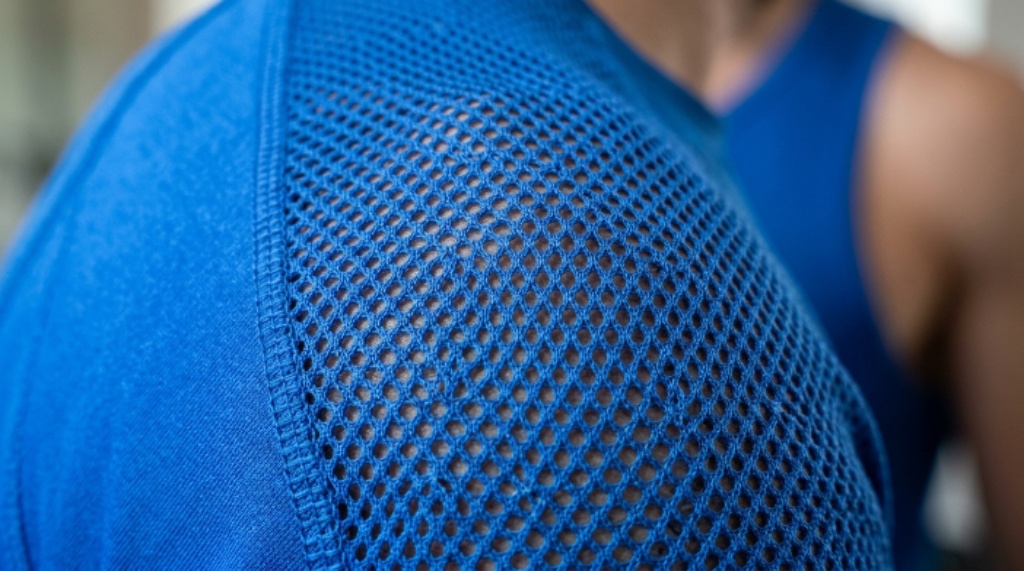
A moisture-wicking top should also breathe well. Look for mesh panels or perforated zones, especially around the underarms and back. These areas generate the most heat during exercise. Good ventilation means air can circulate and help sweat evaporate faster.
Fit and Cut
The fit of your workout top matters more than many people realize. A top that is too loose can get in the way during movement. One that is too tight restricts circulation and can increase discomfort. Look for an athletic fit that allows full range of motion without excess fabric bunching up.
Additionally, consider the length. A longer cut stays tucked in during movements like deadlifts or overhead presses. A shorter cut may be preferred for running or cycling.
Odor Resistance
Sweat itself has no smell. However, bacteria that thrive in warm, moist environments do create odor. Many quick-dry gym wear options now include antimicrobial treatments that inhibit bacterial growth. This means your top stays fresher for longer, even during intense sessions.
Look for fabrics treated with silver ions or other antimicrobial agents. Merino wool also achieves this naturally, making it a great option for multi-day outdoor activities.
Flat Seams and Stitch Quality
Raised seams press into your skin during repetitive movements. Over time, this causes irritation and even blisters. Flat-lock seams lie flush against the fabric and eliminate this problem. Always check the seam construction before buying, especially if you plan to wear the top for long sessions.
UPF Sun Protection
If you train outdoors, UPF-rated fabric is a valuable feature. UPF stands for Ultraviolet Protection Factor. A UPF 50 rating blocks 98% of UV rays. Many athletic tops now include this feature without any additional cost or weight. Therefore, outdoor athletes should make it a priority on their checklist.
Matching Your Top to Your Workout Type
Different activities demand different features. A one-size-fits-all approach rarely works when it comes to workout clothing.
Running and Cardio
For running, prioritize lightweight fabrics and a close-fitting cut. You want minimal drag and maximum breathability. Look for reflective details if you run in low-light conditions. Additionally, raglan sleeves reduce shoulder seam irritation, which can matter on longer runs.
Weight Training
For lifting, a slightly looser fit gives you freedom of movement. However, the top should still be structured enough not to fall forward when you bend over. Choose a fabric with good stretch recovery so it bounces back after every rep.
Yoga and Stretching
Yoga demands a four-way stretch fabric. The top should move with you in every direction without riding up or restricting movement. Soft, smooth textures work best here since you will likely be lying on a mat and pressing your body against the floor.
Outdoor Sports
For outdoor activities like hiking or cycling, opt for tops with UPF protection and odor resistance. Merino wool blends are especially popular here. They manage moisture, regulate temperature in changing conditions, and resist odor over multiple uses.
How to Read Labels and Product Descriptions
Shopping online means you cannot feel the fabric before you buy. Learning to read labels and product descriptions carefully is therefore essential.
Look for terms like moisture-wicking, quick-dry, Dri-FIT, HeatGear, or AEROREADY. These are brand-specific names for moisture management technologies. They all essentially refer to the same principle: moving sweat away from the skin and drying fast.
Check the fabric composition. A top with 85% polyester and 15% elastane will stretch and wick well. One listed as 100% polyester will wick but may feel stiffer. Additionally, look for mentions of antimicrobial treatment, flat seams, and mesh panels in the product features.
Customer reviews are also a valuable resource. Filter for reviews from people who do the same activity as you. Their experience with fit, durability, and performance will be the most relevant to your decision.
How to Care for Moisture-Wicking Tops
Proper care extends the life of your athletic tops and keeps them performing well.
- Wash in cold water. Hot water breaks down synthetic fibers and reduces elasticity over time.
- Avoid fabric softeners. They coat the fibers and block the moisture-wicking channels, reducing effectiveness.
- Air dry when possible. High dryer heat damages elastane and can cause pilling on the fabric surface.
- Turn tops inside out before washing. This protects the outer surface and helps remove bacteria from the inner layer more effectively.
- Wash promptly after use. Leaving sweaty tops in a gym bag for hours allows bacteria to set in, which can cause permanent odor.
Following these simple steps will keep your tops fresh and functional for years.
Price vs. Performance: Finding the Right Balance
It is tempting to assume that a higher price always means better performance. However, that is not always true in athletic wear. Many mid-range brands offer excellent moisture-wicking technology at very reasonable prices.
Premium brands often charge extra for design, marketing, and brand prestige rather than functional superiority. A 5 polyester top from a lesser-known brand can perform just as well as a 0 version from a major label.
That said, extremely cheap options often cut corners on fabric quality, seam construction, and durability. Therefore, aim for the middle ground. Look for tops in the 0 to 0 range from brands that focus specifically on athletic performance.
Additionally, buying multiple tops at once often brings the cost per unit down. Having three or four quality tops in rotation means you wash each one less frequently, which extends their lifespan considerably.
Conclusion
Choosing the right moisture-wicking workout top is about more than just staying dry. It is about supporting your performance, protecting your skin, and staying comfortable from the first rep to the last.
Focus on fabric quality first. Polyester and nylon lead the field for synthetic options, while merino wool excels for natural performance. Additionally, pay close attention to fit, seam construction, breathability, and any antimicrobial features.
Match the top to your specific activity. A running top and a weightlifting top serve different purposes. Understanding those differences will help you build a wardrobe that works harder for you.
Finally, take care of what you buy. Proper washing and drying habits will keep your tops performing at their best for a long time. With the right information, finding your ideal workout top is simple, straightforward, and well worth the effort.
Frequently Asked Questions
1. Are moisture-wicking tops worth the extra cost compared to cotton?
Yes, for most types of exercise. Cotton holds sweat against your skin, which leads to discomfort and chafing. Moisture-wicking fabrics keep you drier and more comfortable, especially during high-intensity or long-duration workouts. The performance difference is noticeable from the very first session.
2. Do moisture-wicking tops lose their effectiveness over time?
Yes, they can. Fabric softeners, high dryer heat, and infrequent washing all degrade the moisture-wicking fibers over time. However, with proper care, a quality top can maintain its performance for two to three years or longer. Air drying and cold water washing are the two most important habits to adopt.
3. Can I use moisture-wicking tops for outdoor activities in cold weather?
Absolutely. Moisture management is just as important in cold weather as in warm weather. Wet fabric against your skin in cold temperatures can cause rapid heat loss. Quick-dry gym wear and outdoor base layers work on the same principle. For cold weather, layer a moisture-wicking base layer under an insulating mid-layer.
4. What is the difference between moisture-wicking and waterproof fabrics?
They serve opposite purposes. Moisture-wicking fabric pulls sweat away from your skin and allows it to evaporate. Waterproof fabric blocks external water from getting in. For workouts, moisture-wicking is what you need. Waterproof fabrics are designed for outerwear like rain jackets, not for athletic tops worn during exercise.
5. Are anti-sweat t-shirts suitable for people with sensitive skin?
Many are, but it depends on the fabric. Polyester can sometimes feel scratchy on sensitive skin. In that case, look for nylon blends or merino wool, which are naturally softer. Additionally, opt for tops with flat-lock seams to reduce any friction. Always check for any chemical treatments on the fabric if you have known sensitivities to dyes or antimicrobial agents.
Related Topics:

