Cycle rating is one of the most useful numbers to understand before a garage door spring is replaced. Each rating estimates how many complete opening-and-closing cycles a spring is designed to handle under normal conditions. That figure helps homeowners compare spring options based on actual use instead of choosing only by price or appearance.
What a Garage Door Spring Cycle Rating Actually Means
Manufacturers rate springs by cycles because every trip up and down adds another round of stress to the metal. One cycle equals one full opening and one full closing of the garage door, so a household that uses the door six times a day adds six cycles. Ratings are estimates rather than guarantees because corrosion, poor balance, incorrect sizing, and damaged hardware can shorten service life. Environmental exposure matters too, because corrosion and moisture can shorten spring life even when the sizing was otherwise correct. Real value comes from matching the rating to the door and the way the garage is used.
Daily Door Use Helps Determine the Right Spring Rating
Households that use the garage as their main entry can accumulate cycles much faster than homes where the door opens only once or twice a day. Opening the door for commuting, school runs, errands, deliveries, and evening activities can push yearly use into the thousands of cycles. Families may underestimate that total because many openings feel too routine to notice.
Frequent use makes a higher cycle rating more practical when the spring design supports it. Usage patterns also help a technician explain why one spring option may last considerably longer than another on the same door. Estimating daily cycles before replacing garage door spring components gives the repairman a better basis for recommending the right service life.
Higher-Cycle Springs Can Make Sense for Busy Garages
Higher-cycle springs are built to tolerate more operating cycles before fatigue is expected to cause failure. Busy garages serving several drivers, home businesses, workshops, or active families may benefit from the added service life. Longer spring life can reduce how often the system needs to be taken out of service for the same repair. Upgrading can be especially worthwhile when labor access is difficult or the door is opened many times throughout the day.
Spring Size and Cycle Life Need to Work Together
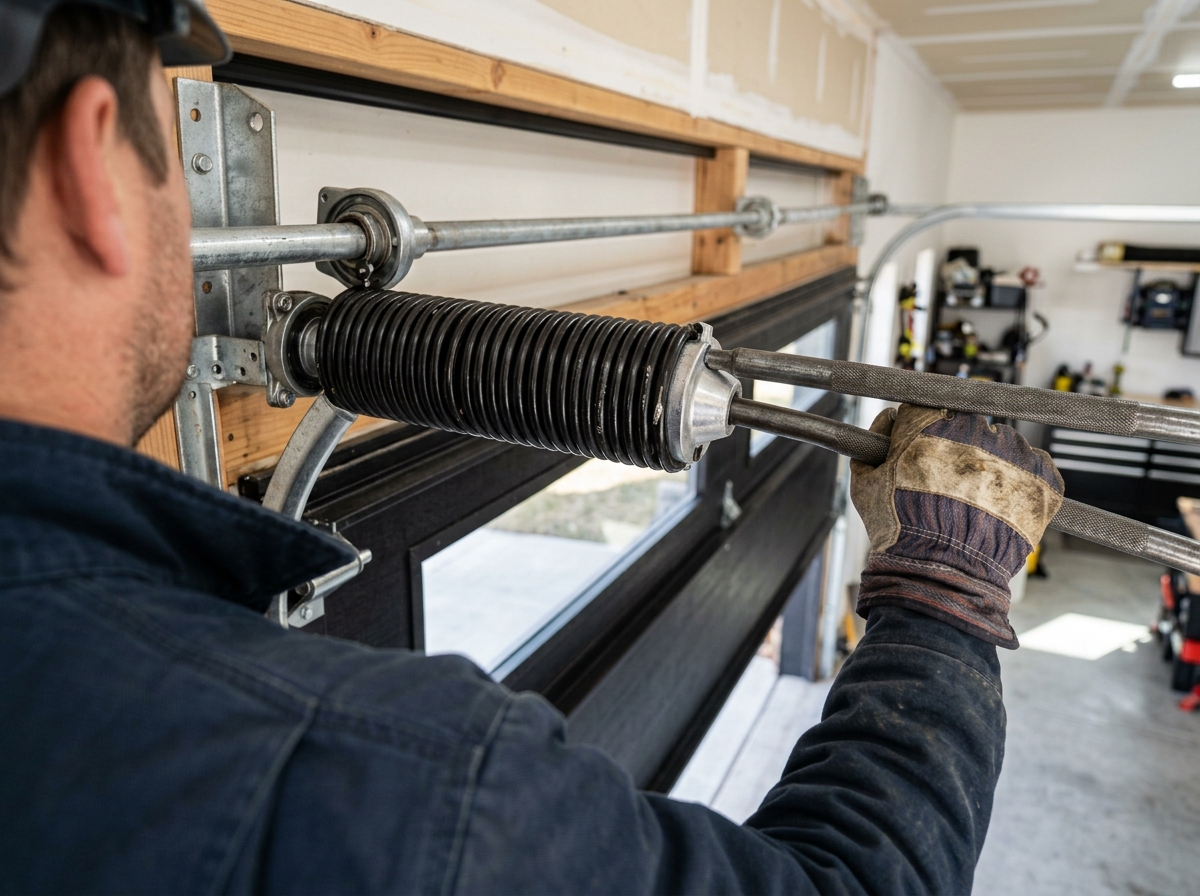
Wire diameter affects both torque and fatigue life, but it cannot be selected by cycle rating alone. Diameter, inside diameter, spring length, winding direction, and door weight all work together to determine how the spring behaves. Length may increase on some high-cycle designs because a different wire size can require more coils to produce the correct torque.
Proper engineering matters because a spring can have an attractive cycle rating and still be wrong for the door. Technicians calculate or verify the required torque before choosing a longer-life option rather than installing a heavier-looking spring and hoping it works. Changing specifications without considering the complete counterbalance system can leave the door too heavy, too light, or poorly balanced.
The Wrong Cycle Rating Can Lead to Earlier Spring Failure
Underrated springs may reach their expected fatigue life sooner in a garage with heavy daily traffic. Premature failure can leave the door difficult to lift and may place extra strain on cables, drums, bearings, and the opener. Repeated replacement also increases maintenance costs even if the lower-cycle spring originally cost less. Someone searching for a garage door repairman near me can ask about expected cycle life as well as the spring size being proposed.
Door Weight Still Matters When Choosing a Cycle Rating
Weight determines how much torque the spring system must provide, so cycle life never replaces correct load matching. Insulation, windows, reinforcement struts, decorative overlays, and replacement sections can all change the finished weight of a garage door. Added mass may require a different spring specification even if the previous springs lasted for years.
Correct spring balance also protects equipment installed during garage door opener installation because the motor should guide the door rather than carry excessive dead weight. During garage door installation, installers can select springs around the finished door configuration instead of guessing from an older setup. Professionals from an overhead door company near me should be able to explain how door weight, spring dimensions, and expected cycle life fit together before work begins.
Matching the Spring System to How Often the Door Is Used
Matching spring life to real household habits gives homeowners a better way to judge long-term value. A lightly used detached garage may not need the same cycle rating as a primary garage door that moves ten or more times a day. Anyone comparing spring options should consider usage, door weight, hardware condition, repair cost, and how long the homeowner expects to keep the system. Snappy Doors can inspect spring specifications, door balance, cables, drums, and related hardware before recommending a replacement suited to the door and its operating pattern. Their garage door repair services can also address opener issues, spring failures, and installation needs when other parts of the system require attention.