
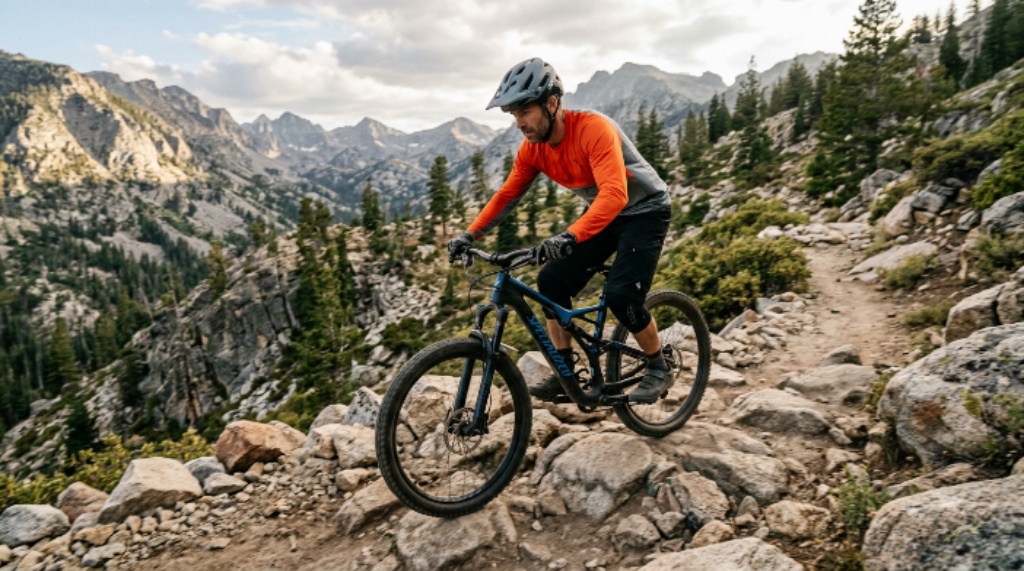
Choosing the right mountain bike can feel overwhelming. There are so many options on the market today. However, if you focus on a few key factors, the decision becomes much easier. A 27.5 inch wheel size sits right between the nimble 26 inch and the rolling speed of a 29 inch. It gives you a great balance of agility and momentum. Therefore, it has become one of the most popular choices among riders of all skill levels.
This guide walks you through everything you need to know. By the end, you will feel confident picking the right bike for your riding style and budget.
Why the 27.5 Inch Wheel Size Works So Well
The 27.5 inch wheel, also called 650B, offers a sweet spot that many riders love. It rolls over obstacles with more ease than a 26 inch wheel. At the same time, it is easier to maneuver than a 29 inch wheel. This makes it a natural fit for technical trails where quick steering matters.
Additionally, the wheel size suits a wide range of rider heights. Shorter and average-height riders often find 27.5 inch bikes more comfortable to handle. Taller riders can also benefit from the snappier feel it provides. So no matter your size, this wheel format deserves a serious look.
The geometry of a trail riding bike built around 27.5 inch wheels tends to be more balanced. You get a lower center of gravity, which helps with cornering. You also get enough wheel mass to carry speed through rough patches. It is, therefore, a very versatile choice.
Understanding Frame Material and Durability
The frame is the backbone of any mountain bike. Choosing the right material affects how the bike rides, how long it lasts, and how much it weighs.
Aluminum is the most common material in this category. It is lightweight, stiff, and affordable. Most entry-level to mid-range adult MTB models use aluminum alloy frames. They handle trail abuse well and are easy to repair if damaged. For most riders, aluminum is the practical choice.
Carbon fiber frames are lighter and stiffer than aluminum. However, they cost significantly more. Carbon is better suited for riders who race or want the absolute best performance. Keep in mind that carbon can crack under sharp impacts, unlike aluminum which tends to dent.
Steel frames are heavier but extremely strong. They absorb trail vibrations naturally, which makes long rides more comfortable. Steel is a great choice if you value durability over weight savings.
Titanium offers the best of many worlds. It is light, strong, and comfortable. However, the price tag is very high, and it is mostly found on custom builds.
For most trail riders, a quality aluminum durable frame bicycle provides the best value. It balances weight, strength, and cost in a way that suits everyday trail use perfectly.
Suspension Type: Hardtail vs Full Suspension
Suspension plays a huge role in how your bike handles the trail. You have two main options: hardtail and full suspension.
A hardtail bike has front suspension forks but a rigid rear end. These bikes are lighter and more efficient when pedaling. They are ideal for smoother trails, cross-country riding, and riders on a tighter budget. Additionally, hardtails help you build better riding skills because you feel more of the trail beneath you.
Full suspension bikes have both front and rear shock absorbers. They offer more comfort and control on rough, technical terrain. However, they weigh more and cost more than hardtails. If you ride rocky or rooted trails regularly, full suspension is worth the investment.
For beginners, a hardtail is often the smarter starting point. It teaches you how to read the trail and pick good lines. As your skills grow, you can move up to a full suspension setup.
Choosing the Right Components
Components refer to everything attached to the frame. This includes the brakes, drivetrain, handlebars, and saddle. The quality of your components greatly affects your riding experience.
Brakes are critical for safety. Hydraulic disc brakes offer the best stopping power in all weather conditions. Mechanical disc brakes are a budget-friendly alternative. Rim brakes are rare on modern mountain bikes and not ideal for trail use.
The drivetrain controls how you shift gears. Modern mountain bikes often feature 1x drivetrains, meaning a single front chainring with a wide range of rear gears. This setup is simpler and lighter than older 2x or 3x systems. A 1×12 drivetrain gives you 12 gears, which is more than enough for varied trail riding.
Handlebars should be wide enough for control but not so wide they catch on trees. Most trail riders prefer flat or slightly riser bars between 720mm and 780mm wide.
Tires matter more than most beginners realize. Wider tires provide better grip and cushioning. A tire width of 2.4 to 2.6 inches is a good starting point for most trail riding bike setups.
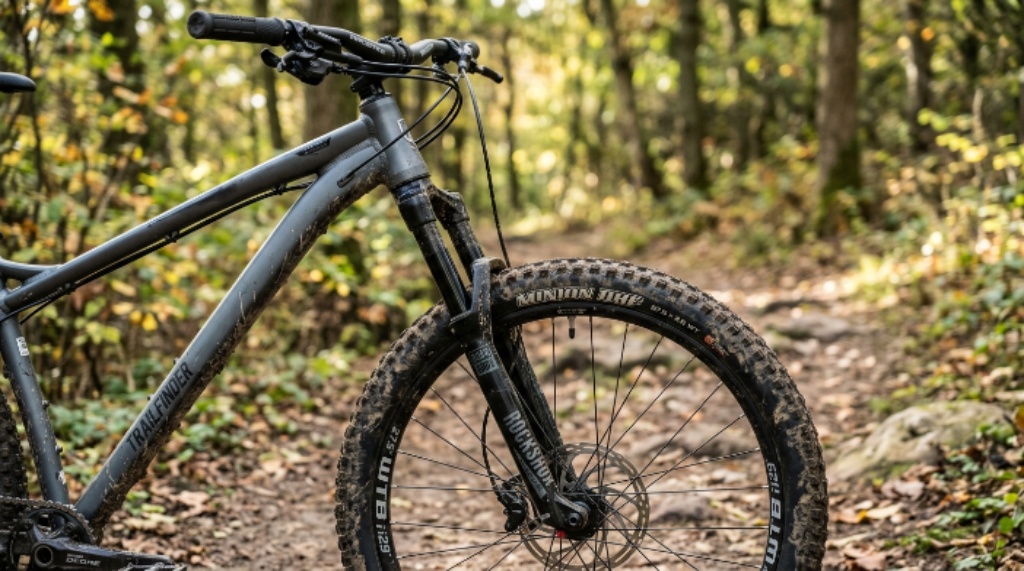
Fit and Sizing: Getting It Right
Buying the wrong size bike is one of the most common mistakes new riders make. A poor fit leads to discomfort and poor control. Therefore, sizing deserves careful attention.
Most manufacturers list mountain bike sizes in small, medium, large, and extra-large. These sizes correspond to your height and, sometimes, your inseam length. Always check the manufacturer’s size chart before buying.
Reach and stack are two important measurements. Reach refers to how far you stretch to the handlebars. Stack refers to the height of the front end. Together, these numbers tell you more about actual fit than frame size alone.
When possible, test ride before you buy. Sit on the bike and see how it feels. Your arms should have a slight bend at the elbow. You should feel comfortable but in control, not cramped or overstretched.
If you are buying online, read the geometry charts carefully. Many bike shops offer professional fitting services, which are worth the small extra cost.
Budget and Value: What to Expect at Each Price Point
Mountain bikes vary widely in price. Knowing what to expect at each level helps you make a smarter purchase.
At the entry level, bikes under $800 typically come with basic components. They are good for casual trail riding but may need upgrades over time.
In the mid-range, between $800 and $2,000, you get significantly better components. Hydraulic brakes, quality suspension forks, and lighter frames are common in this range. This is where most serious adult MTB buyers land.
Above $2,000, you move into performance territory. Carbon frames, high-end drivetrains, and premium suspension are standard. These bikes are for riders who want the best trail performance available.
Spend as much as your budget allows without stretching uncomfortably. A mid-range bike with good components will serve most trail riders very well for years.
Maintenance Tips to Keep Your Bike Trail-Ready
Owning a mountain bike comes with maintenance responsibilities. Fortunately, basic upkeep is not complicated.
- Clean your bike after every muddy ride. Dirt and grime wear down components faster.
- Lubricate your chain regularly. A dry chain stretches and damages the drivetrain.
- Check your tire pressure before every ride. Proper pressure improves grip and prevents pinch flats.
- Inspect your brakes often. Worn brake pads reduce stopping power significantly.
- Check your suspension fork and rear shock for air pressure and service intervals.
Additionally, take your bike to a shop for a full tune-up once a year. A mechanic can spot problems before they become expensive repairs.
Conclusion
Picking the right 27.5 inch mountain bike comes down to understanding a few key factors. Start with the frame material and choose between hardtail and full suspension based on your trail type. Pay close attention to components, especially brakes and the drivetrain. Make sure the bike fits your body properly before committing to a purchase. Finally, set a realistic budget and stick to it.
A well-chosen trail riding bike with a durable frame bicycle construction will serve you for many seasons. Whether you are a beginner or a returning rider, the 27.5 inch wheel format offers a fantastic balance of performance and fun. Take your time, do your research, and enjoy the trail.
Frequently Asked Questions
Is a 27.5 inch mountain bike good for beginners?
Yes, absolutely. The 27.5 inch wheel size is easy to maneuver and handles a variety of trail types well. It is a great starting point for new riders who want to build skills without switching bikes later.
What is the difference between a hardtail and full suspension 27.5 mountain bike?
A hardtail has front suspension only, making it lighter and more affordable. A full suspension bike adds rear shock absorption for better comfort and control on rough terrain. Beginners often start with a hardtail, while experienced riders may prefer full suspension.
How do I know which frame size fits me?
Check the manufacturer’s size chart based on your height and inseam. Ideally, test ride the bike before buying. Look for a comfortable reach to the handlebars and a slight bend in your elbows when riding.
Are 27.5 inch bikes faster than 29 inch bikes?
Not necessarily. A 29 inch wheel rolls over obstacles more easily and maintains speed better on smooth trails. However, a 27.5 inch wheel is more agile and easier to accelerate. The best choice depends on your trail type and personal preference.
How much should I spend on a quality 27.5 inch mountain bike?
For a reliable trail bike with solid components, plan to spend between $800 and $2,000. Bikes in this range offer hydraulic disc brakes, good suspension, and durable frames that will last for years with proper maintenance.
Related Topics:
LOSENKA Maple Deck Comes With Free Grip Tape: Honest Review


