
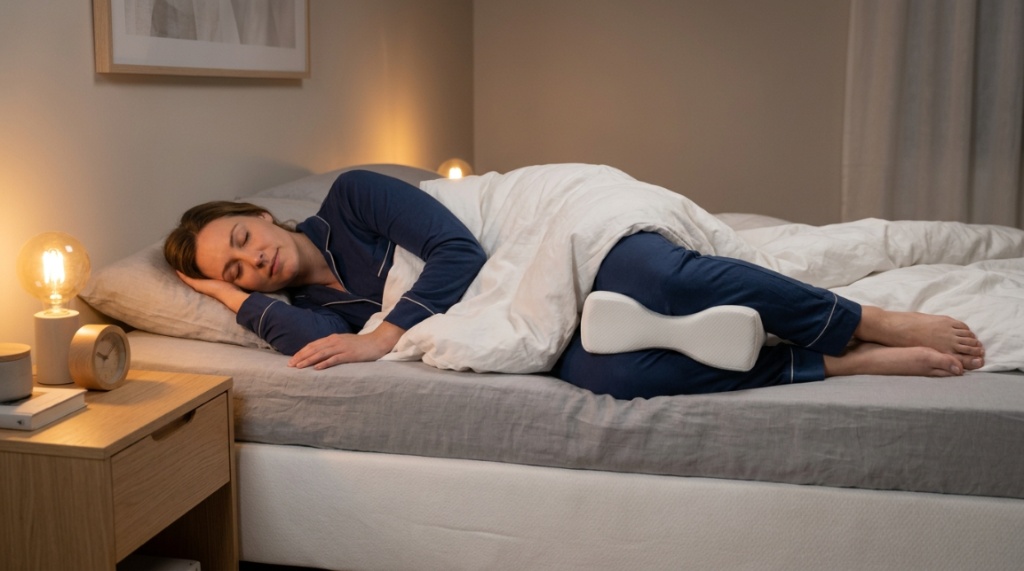
Waking up with a numb arm, a stiff lower back, or a sharp twinge in your hip is a frustrating way to start the day. If you sleep on your side, the root cause is often poor spinal alignment—specifically, the way your top leg pulls your pelvis out of position. The classic solution is a knee pillow, but a quick search reveals prices ranging from $10 to over $80. How do you find an affordable knee pillow that actually solves the problem without feeling like a flimsy piece of foam? This guide cuts through the marketing hype to help you identify the right material, thickness, and shape for your body, ensuring your next purchase is both budget-friendly and genuinely effective for a night of pain-free rest.
What Exactly Does an Affordable Knee Pillow Do for Your Body?
A knee pillow is a small, specialized cushion placed between your thighs or knees while sleeping on your side. Its primary job is to keep your top hip, pelvis, and spine in a neutral, straight line. Without it, your top leg drops toward the mattress, causing the pelvis to twist and the lower spine to curve, which often leads to back pain, hip tightness, and sciatica irritation.
The beauty of a budget-friendly option is that it doesn’t need complex technology to work. It simply needs to fill the gap between your knees.
Why Side Sleepers Specifically Need Knee Support
Side sleeping is the most common position, but it is also the most demanding on your alignment. The widest part of your body—your hips—creates a natural gap that causes the top leg to pull down. A pillow placed between the knees acts as a spacer, preventing the top hip from rotating forward and downward. This reduces strain on the gluteal muscles and the sciatic nerve.
The Hidden Risk: What Happens Without a Knee Pillow
When you skip this support, your lower spine twists all night. Over time, this can lead to overstretched ligaments on one side of the back and compressed joints on the other. Many people mistake this for a “tough mattress” problem, but it is actually a mechanical issue that a simple spacer solves immediately.
How a Knee Pillow Differs from a Full-Length Body Pillow
A body pillow offers full-leg support but can be bulky, hot, and expensive. A knee pillow is targeted, allowing you to sleep cooler and move freely. For budget shoppers, a dedicated knee pillow is often more practical because it uses less material and is easier to wash and store.
Which Materials Offer the Best Value for a Low Price?
The material dictates the pillow’s firmness, weight, temperature, and lifespan. When shopping on a budget, you generally have three choices: polyurethane foam, polyester fiberfill, and shredded memory foam. Each has distinct trade-offs that you must weigh against your sleeping preferences.
For most side sleepers, a contoured, solid memory foam offers the best support-to-price ratio.
Polyurethane Memory Foam: The Support King
Solid memory foam is dense and provides the firmest support, ensuring your top leg stays put. It does not shift or compress fully during the night. However, it retains heat. Look for “gel-infused” or “open-cell” foam on the label. Even cheap versions that are 3 inches thick give excellent stability for a standard frame, If you are upgrading your sleep setup while designing your space, check out these top tips for creating a rustic style bedroom to match your cozy aesthetic.
Polyester Fiberfill: The Budget Softie
These pillows feel like a soft cloud. They are the cheapest option, often costing less than a fast-food meal. However, they lack structural integrity— your leg will compress the filling within weeks, rendering the pillow useless. Only buy this if you sleep with very light pressure and weigh under 130 pounds.
Shredded Memory Foam: The Adjustable Middle Ground
Shredded foam offers a mix of support and plushness. You can remove or add fill to customize the loft, which is useful if you have narrower or wider thighs. It is more breathable than solid foam because air moves between the bits. Check the washable cover—a zippered cover is a must for hygiene.
| Material | Cost Range | Firmness | Best For |
|---|---|---|---|
| Solid Memory Foam | $10–$25 | High | Those with hip pain or needing firm alignment |
| Polyester Fiberfill | $5–$15 | Low | Ultra-light sleepers or kids |
| Shredded Foam | $15–$30 | Medium | Side sleepers who move between side and back |
How Thick Should an Affordable Knee Pillow Be?
The ideal thickness is determined by your thigh circumference, not your weight. If the pillow is too thin, your knees press together, negating the benefit. If it’s too thick, it lifts your top hip too high, creating a lateral curve in your spine.
As a general rule, the pillow should compress by 20-30% when your leg rests on it, allowing your hip to stay level with the floor.
Measuring the “Knee Gap” at Home
Stand in front of a mirror with your feet together. Notice the gap between your thighs and knees. If your knees touch and your thighs don’t, you have a standard gap. If your thighs are thick and your knees are wide, you likely need a 5-6 inch loft. If you have slender legs, a 3-4 inch loft is plenty.
The “Too High” vs. “Too Low” Test
When you lie on your side with the pillow, have a partner check if your top hip is dipping or raised. If the pillow makes your hip float up, it’s too thick. If your hip drops, it’s too thin. A level pelvis is the visual confirmation of the correct height.
Adjustable Loft: The Safer Budget Bet
Since you can’t test the pillow without opening the box, look for an adjustable option with a zipper. This allows you to add or remove shredded foam until you find the perfect height, ensuring you don’t waste money on a “one-size-fits-all” product that actually fits no one.
Is a Contoured Knee Pillow Better Than a Flat One?
Contoured pillows have a curved design with a raised center and two indented “cradles” for your legs. This shape helps keep both legs securely in place, making you less likely to kick the pillow off during the night. Flat pillows are simpler and cheaper but slide around more.
If you are a restless sleeper, the contoured shape is worth the small price premium.
The Anatomy of a Contoured Pillow
These pillows usually feature a wing that wraps around one leg to keep the pillow attached. The central groove separates the bones of your knees, preventing friction and pressure on the bony prominences. This is crucial for those who wake up with sore knees, not just back pain.
When a Flat Pillow is Sufficient
If you are a strict side sleeper who doesn’t toss and turn, a flat, rectangular foam block is completely fine. It offers simplicity and easier cleaning—you can slip it into a pillowcase. It also fits more easily between active legs if you rotate.
The Strap Feature: Gimmick or Godsend?
Some budget pillows come with a soft elastic strap that wraps around your thigh. This ensures the pillow stays in place when you bend your knees. For many, this is the difference between a usable product and a frustrating one. If you wake up with the pillow on the floor, pay an extra $3 for the strap.
Why Do Some Cheap Knee Pillows Cause Numbness?
Numbness occurs when a pillow is too firm and compresses the common peroneal nerve (which runs behind the knee) or the lateral femoral cutaneous nerve (on the outer thigh). This is not a sign that you need an expensive pillow; it’ a sign you need a softer density.
Cheap “high density” foam often means “hard as a brick,” not supportive. Always look for a “soft” or “medium” density rating on the label to avoid cutting off circulation.
Understanding Foam Density vs. Firmness
Density is the weight of the foam (high density = heavy moles of material). Firmness is how much give it has. You want a high-density foam that is soft to the touch. Many discount manufacturers use high-density material to save money but fail to add softening agents.
The C-Shaped Cutout Advantage
Look for a pillow with a “C” shape or a cutout at the back of the knee. This removes pressure directly from the nerve bundle. The cutout cradles the soft tissue of the calf and thigh, leaving the back of the knee free.
Signs You Need to Softer Loft
If you wake up with a tingling sensation that lasts more than a minute after getting up, your pillow is too hard. Replace it immediately. Savoring a $15 pillow is not worth the risk of temporary nerve damage.
How Long Should a Budget Knee Pillow Last?
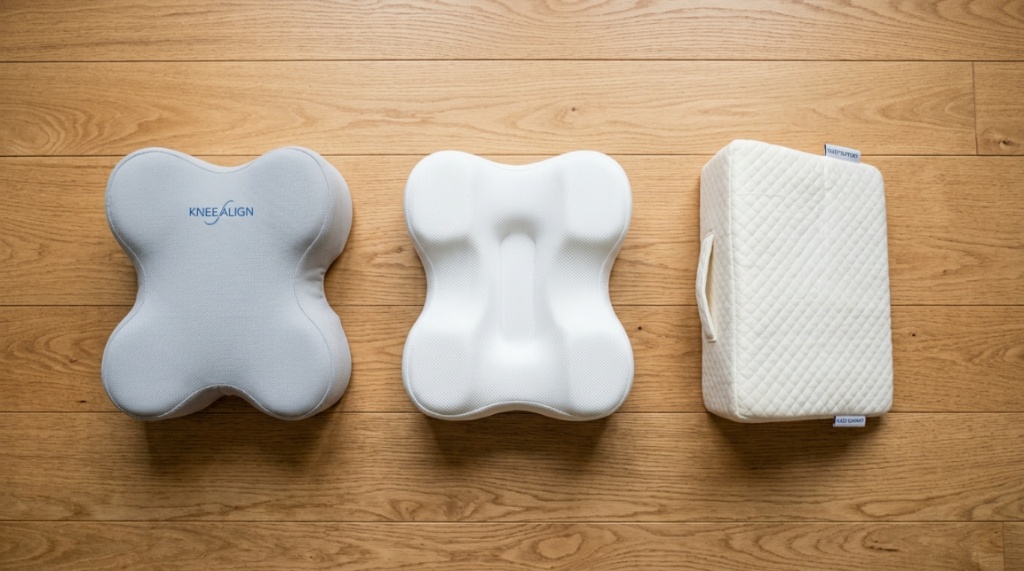
With proper care, a decent foam knee pillow should last between 1 to 3 years. Memory foam loses its “memory” and rebound ability over time, especially if exposed to heat. Polyester fiberfill will clump up much faster—often within 3 months.
Your budget purchase can be durable if you look for a density of at least 1.8 lbs per cubic foot.
Signs It’s Time to Replace Your Pillow
- It no longer springs back to shape immediately when you remove your leg.
- You see permanent dimples where your knees rested.
- The cover is pilling or torn, exposing the foam to dust mites.
- You start waking up with pain again after sleeping well for months.
Cleaning Tips to Extend Lifespan
Most foam pillows have a removable, washable cover. Wash the cover every two weeks in cold water and line dry. For the foam core itself, spot clean with a damp cloth and mild soap—never submerge it in water, as it will absorb liquid and take days to dry, promoting mold.
When It Makes Sense to Spend a Slightly More
If you find a pillow that is 25% more expensive but features a bamboo-derived cover, antimicrobial treatment, and high-density foam, it is worth it. The better cover will improve airflow, making the firm foam feel more comfortable and lasting longer.
Which Brand Offerings Do Not Compromise on Quality?
Several manufacturers produce reliable, low-cost pillows specifically for side sleepers. Typically, you want to stick to brands that specialize in sleep products rather than generic sellers, as they have invested in the right foam formulation even for their budget lines.
The best strategy is to read reviews for words like “supportive,” “didn’t slide,” and “great size” rather than just looking at the star count.
Key Specs to Look For on the Package
- Dimensions: At least 10 x 8 inches to cover the thigh area properly.
- Cover Material: Cotton or bamboo viscose (breathable) over polyester.
- CertiPUR-US: This certification ensures the foam is low-VOC and safe for indoor use, a must for cheap foams.
Reading Between the Review Lines
Look for reviews from people who mention side sleeping specifically. A review from a stomach sleeper won’t help you. Check for “thigh gap” mentions—if a wide-thighed reviewer says it is too small, skip it if you share that body type. If they say it’s perfect, proceed.
Where to Buy Guaranteed Cheap Options
Consider discount home goods stores rather than high-end boutiques. You can often find last season’s models of good brands at a fraction of the price. Online, check for warehouse deals or open-box items on major retailer sites.
Can You Use a Regular Throw Pillow Instead?
While you can use a regular throw pillow in a pinch, we don’t recommend it for nightly use. Standard pillows are usually too thick (6-8 inches) and too soft, causing your hips to sink into an unnatural V-shape. This can tighten the IT band and irritate the outside of the knee.
The investment in a specialized shape is small but delivers significant biomechanical benefits.
The Occupational Health Perspective
Physical therapists often recommend a knee pillow because the density is dialed in to the specific load of a leg. A throw pillow compresses to half its height, eliminating the support you need. The breathability is also lower, leading to night sweats between your legs.
How to Create a DIY Emergency Solution
Fold a thin-medium density bath towel in half lengthwise and roll it around a smaller rolled towel. Secure it with hair ties. This creates a modular cylinder that you can adjust for height. This works well for travel or if your budget is absolutely zero this week. However, this is a temporary solution until you invest in a true product.
How to Break in and Get Used to a Knee Pillow?
Don’t expect a perfect night immediately. Your body is accustomed to misalignment. The first two nights may feel strange because your hip flexors are stretched in a new way. Give it a 7-day trial period before deciding it doesn’t work.
Start by placing the pillow so it supports your knee and not your ankle.
Positioning for Maximum Effect
Sit on the bed. Lie on your side. Bend your knees to a 90-degree angle. Slide the pillow up so it sits just behind the patella (kneecap), wedged between the soft parts of your thighs. If the pillow is too high, it digs into the bone. Too low, and it tips onto the ankle, pulling your foot down.
Combining with a Head Pillow
Your head pillow must also be the right height to keep your neck in line with your spine. If your neck bends up or down, you’ll have a second alignment issue. If you have broad shoulders, use a higher loft pillow; narrow shoulders use a lower one.
What To Do If It Slips Off at Night
If you wake up without it, try tucking the bottom edge under your top leg’s calf muscle. Alternatively, tie a soft cotton ribbon around the pillow and your thigh to hold it, or create a small pocket in your pajama bottoms. Once your body gets used to the posture, you’ll unconsciously keep it in place.
Why Does the Price Vary So Much for the Same Thing?
Prices vary due to branding, marketing costs, packaging, and foam quality. Often, a $50 knee pillow uses the same raw foam as a $20 one. You are paying for the logo and the memory foam “certifications.”
When you stick to an affordable knee pillow, you are essentially paying for the raw materials and a decent cover, without the extra for celebrity endorsements or fancy boxes.
The “Sleep Tech” Trap
Some brands use gimmicks like “silver-infused fibers” or “bamboo charcoal foam” to justify a 300% markup. While these aren’t harmful, their benefits are marginal for a knee pillow. Focus on the physical dimensions and density, not the “detox” claims.
Shipping Costs: The Hidden Budget Killer
Online discounts often hide shipping fees. A $15 pillow looks great until you see $10 shipping. Always check for “free shipping over $25” or buy alongside another household item. Brick-and-mortar stores eliminate shipping entirely.
Frequently Asked Questions
Is a knee pillow good for sciatica?
Yes, by maintaining a neutral spine, a knee pillow prevents the piriformis muscle from tightening, which is a common cause of sciatic nerve irritation. It reduces pressure on the lower lumbar discs and sacroiliac joint.
Should I use a knee pillow if I sleep on my back?
No. For back sleepers, you need support under the knees, not between them. Placing a regular small pillow under your knees elevates them, reducing lower back strain. A knee pillow is specifically designed for side lying.
Can I use a knee pillow while pregnant?
Yes, it is highly recommended. However, pregnant women often need a thicker loft to accommodate a wider hip tilt. Look for an adjustable shredded foam option to adapt as your pregnancy progresses.
Will a knee pillow fix my shoulder pain?
Indirectly, yes. If your spine is straight, your top shoulder is less likely to roll forward and compress the rotator cuff. But, you still need a proper head pillow to support the neck, or shoulder pain may persist.
How often should I wash the knee pillow?
Wash the removable cover every two weeks to remove dead skin dust and oils. Spot clean the foam only when necessary. Avoid washing the foam itself, as it permanently loses its shape.
Are memory foam knee pillows safe?
Yes, provided they are CertiPUR-US certified. This ensures no heavy metals or excessive formaldehyde. If you have a chemical sensitivity, look for a natural latex or organic cotton option, but that costs more.
Does the color of the pillow matter?
No, color is purely aesthetic. Colored dyes do not impact the support or firmness. However, lighter colors may show stains easier, while dark colors hide them but might use more dye, which some sensitive people notice in the odor.
Conclusion
Choosing the right knee pillow doesn’t have to be a guessing game. By prioritizing the correct material, loft, and shape, you can find a solution under $30 that delivers the same therapeutic benefits as premium models. Remember to look for soft, high-density foam with a breathable, washable cover—this is the formula for comfort and durability. Do not settle for a thin fiberfill flat pillow that will flatten by next month. Your spine works hard all day; your sleep should provide a restful reprieve. Consider measuring your leg gap, checking the density specs, and reading reviews from fellow side sleepers to make an informed choice.
Start your search with confidence, knowing that the perfect support is out there at a price that won’t keep you awake. Try one of the recommended shapes, give it a seven-day test, and feel the difference in your morning stiffness. You have nothing to lose but the pain.