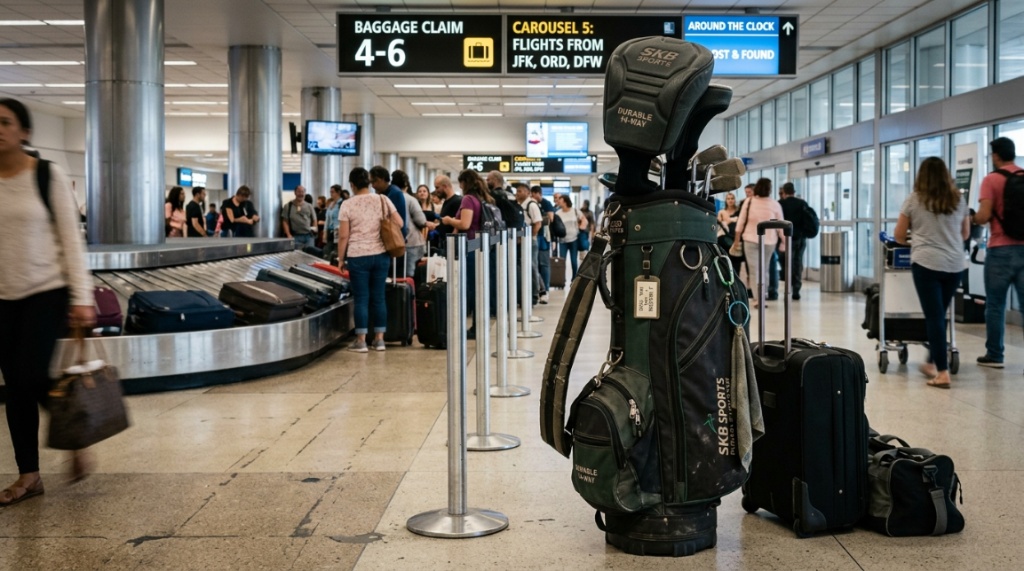
You just watched your hard-earned cash bag get tossed onto a conveyor belt like a rag doll. The zipper snags, the strap snaps, and your driver rattles around like loose change. We have all been there. The real challenge isn’t finding a cheap bag; it’s finding a cheap bag that won’t fall apart after one flight. You need gear that balances cost with rugged durability, smart design, and protective padding. This guide breaks down exactly how to compare budget golf bags that survive airports without breaking the bank or your clubs.
What Qualifies as a “Budget” Golf Bag for Air Travel?
A budget travel bag typically costs between $80 and $150. However, the price tag means nothing if the bag doesn’t protect your investment. The key is to look for value—not just the lowest number. You want a bag that offers essential protective features without the premium markup of luxury brands.
Why Price Isn’t the Only Indicator of Durability
Just because a bag is expensive doesn’t mean it’s indestructible, and just because it’s cheap doesn’t mean it’s flimsy. Manufacturers often cut costs on handles or zippers rather than the structural frame. You need to inspect the materials and stitching quality, not just the sticker price.
Understanding the “Travel Bag” vs. “Sunday Bag” Difference
A Sunday bag is lightweight and thin—great for a quick round at your local course but terrible for a flight. A travel bag, however, is designed with reinforced bottoms, thick padding, and sturdy wheels. Ensure you are comparing apples to apples by filtering for “travel” specifically.
The Hidden Cost of a Cheap Bag
If you buy a $50 bag and it rips on the first trip, you’ll pay $200 in airline fees for oversized luggage and maybe $300 to replace a snapped shaft. A $120 bag that lasts ten trips is actually the cheaper option in the long run. Calculate the “cost per trip” before you commit to a purchase.
Which Materials Actually Withstand Airport Handling?
The material determines 80% of the bag’s survival rate. Look for 600D or 900D nylon or heavy-duty polyester. These fabrics resist tearing and abrasion. Avoid thin nylon or canvas that can puncture easily when the bag is dropped on a corner.
Ripstop Nylon vs. Standard Polyester
Ripstop nylon has a crosshatch pattern that prevents tears from spreading. Standard polyester is heavier and water-resistant but can wear thin over time. For airport survival, opt for a blend that includes ripstop technology or a reinforced base layer.
Reinforced Bottoms: The Most Critical Feature
Most damage happens when the bag is dropped on its base. Look for bags with a hard plastic or rubberized “skid plate” on the bottom. This prevents the material from grinding against conveyor belts and tarmac. If the bottom feels flimsy, the bag will fail quickly.
Water Resistance for Rainy Tarmacs
Airport ramps are exposed to weather. A water-repellent coating is a must. However, don’t confuse “water-resistant” with “waterproof.” For budget options, a durable water repellent (DWR) finish is usually sufficient to keep light rain out during the 5-minute walk from the plane to the carousel.
How Should You Evaluate the Wheel System and Frame?
A good wheel system is essential for navigating long terminal walkways. You want inline skate wheels or molded plastic wheels that won’t crack under weight. Also, check if the bag has an internal or external frame for structural rigidity.
Inline Skate Wheels vs. Molded Wheels
Inline skate wheels are rubberized, providing a smoother glide over concrete. Molded plastic wheels are cheaper but can vibrate and crack. Test the wheels at the store if possible. Spin them and apply pressure to ensure they don’t wobble excessively.
Internal Frame vs. Soft-Sided Structure
An internal aluminum or plastic frame helps keep the bag upright and prevents clubs from bending. However, internal frames add weight. Soft-sided bags rely on packed clothing for structure, which is fine if you pack correctly, but they offer less protection against direct impact.
Handle Placement: Pull vs. Lift
You’ll need a sturdy top handle for lifting into overhead bins or onto scales, and a separate pull handle for rolling. Avoid bags where the pull handle is connected to the main body with thin plastic clips—these break on the first flight. Look for riveted metal connections.
Can a Soft-Sided Bag Really Protect Your Clubs?
Yes, a soft-sided bag can protect your clubs if it has sufficient padding (at least 5mm) and a padded top cuff. The top of the bag where the clubheads sit is the most vulnerable area. Many budget bags skimp on this padding, leading to snapped graphite shafts.
The Importance of a Thick Top Cuff
Look for a bag with a 360-degree padded collar around the top opening. This cushions the clubheads against lateral impacts. If the top feels thin like a regular stand bag, consider wrapping a heavy towel around the clubheads before zipping the bag shut.
Using Clothing as a Shield
Even with a decent bag, you can improve protection. Place a folded jacket over the clubheads inside the bag. This adds a layer of shock absorption without adding extra cost or weight to your luggage. This simple trick can save your $400 driver.
When to Choose a Hard Case Instead
If you are shipping delicate items or have a full graphite set, a hard case is safer. However, hard cases are bulky and difficult to store. For most travelers, a high-quality soft bag like the ones found in budget golf bags that survive airports offers the best balance of portability and protection.
Comparing Key Features: Wheels, Straps, and Padding
When comparing models, create a checklist. You need at least two compression straps to secure the bag internally, a padded shoulder strap for carrying, and a durable zipper system that won’t jam. Don’t overlook these small components—they often fail first.
Internal Compression Straps: Why They Matter
Internal straps hold your clubs steady during transit. If the clubs shift around, they can hit the sides and damage the bag or each other. Ensure the straps are adjustable and have secure buckles. Test them to make sure they don’t slip under tension.
Zipper Quality: Coil vs. YKK
Look for YKK zippers, which are standard in high-quality luggage. Coil zippers are flexible but can break if stressed. Look for zippers that have a smooth action and are protected by a flap to prevent water ingress and snagging.
Padded Carrying Handles
You will lift this bag many times. A padded top handle with a rubberized grip prevents hand fatigue and prevents the handle from tearing out. Check how the handle is attached—it should be sewn through multiple layers of fabric, not just glued on.
What Is the Ideal Weight Range for a Travel Bag?
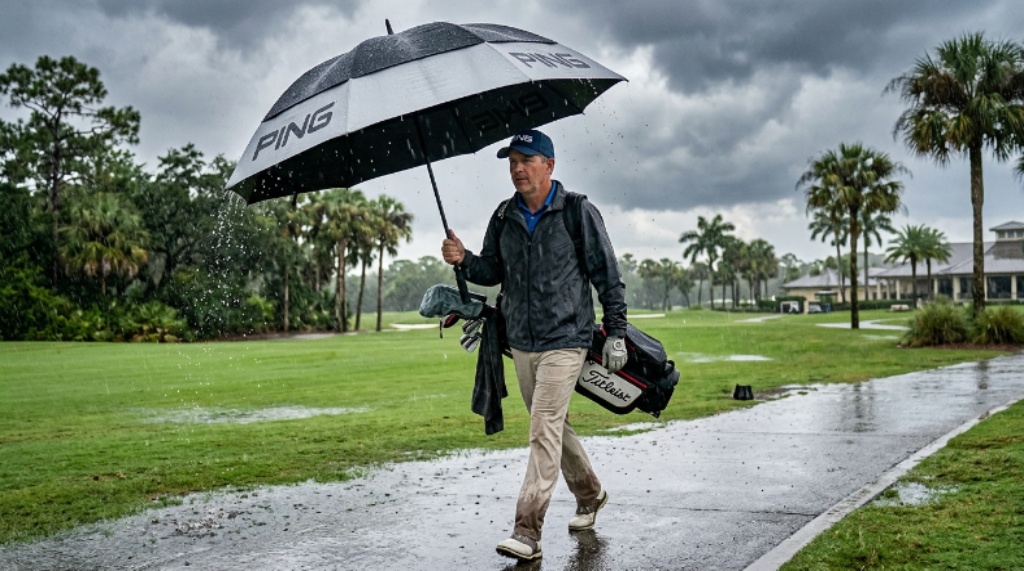
Airlines have strict weight limits (usually 50 lbs). A heavy empty bag uses up valuable weight allowance. The ideal empty weight for a budget travel bag is between 6 and 8 pounds. Anything heavier makes it harder to stay under the limit, For golfers traveling during unpredictable weather months, pairing a tough travel bag with the right gear protection is essential check out the Florida Golf Umbrella Guide for Rainy Season Players for extra tips on staying dry.
Balancing Weight vs. Protection
Heavier materials (like hard plastic) offer more protection but reduce your packing capacity. Lighter materials (like nylon) are easier to carry but provide less shock absorption. For a budget bag, aim for the 7-pound mark—this usually indicates a good balance of features.
Packing Strategies to Maximize Weight Efficiency
Wrap your golf shoes and heavy items in the middle of the bag, not on the ends. This centers the weight, making the bag easier to roll. Use the outer pockets for light items like gloves and tees. Keep heavy items out of the side pockets as they can stress the zippers.
When Do You Need a Hard-Sided Bottom vs. Full Hard Case?
You need a hard bottom for all airline travel. This protects against the biggest impact area. You only need a full hard case if you are shipping your clubs as freight or if you have extremely fragile equipment. For standard trips, a hard bottom is sufficient.
Signs That a Hard Bottom Has Good Structural Integrity
Press on the bottom of the bag from the inside. If it flexes easily, it will crack. look for a bottom that is solid and immobile. Some bags use a molded plastic tray that extends up the sides about two inches—this is ideal.
How to Test Zippers and Handles Before You Buy
A hands-on test is the best way to evaluate quality. Open and close every zipper multiple times. Pull on the handles with your full weight. If it wiggles or feels loose in the store, it will break on the first flight.
Simulating Airport Stress in the Store
Place some heavy books in the bag and roll it around. Listen for wheel squeaking. Tilt it at a 45-degree angle to simulate kerbs. This 5-minute test can reveal a lot about the build quality and save you from a nasty surprise at baggage claim.
Checking Stitching Patterns
Look at the stress points (where straps meet the bag). There should be a “bar tack” stitch (multiple tight zig-zags) for extra strength. If the stitching is straight and single-threaded, avoid it. It will unravel quickly under pressure.
Are Expensive Features Worth It on a Budget Bag?
Expensive features like built-in locks or GPS tracking are not necessary for survival. The essentials are wheels, padding, and a hard bottom. Spending extra on a bag with a “premium look” doesn’t increase durability. Spend your money on structural features, not aesthetics.
The “Luxury” Tax in Golf Bags
Brands like Titleist or Callaway often charge a premium for the logo. However, generic brands or store brands (like those from Golf Galaxy or Amazon) often use the same materials without the marketing overhead. Compare the specs, not the brand name.
Modular Add-ons: Do You Need Them?
Some bags come with detachable shoe pouches or rain hoods. While useful, these add-ons can become lost or broken. Make sure the main shell is solid before considering the accessories. You can always buy a separate shoe bag for $10.
Which Airline Policies Affect Your Bag Choice?
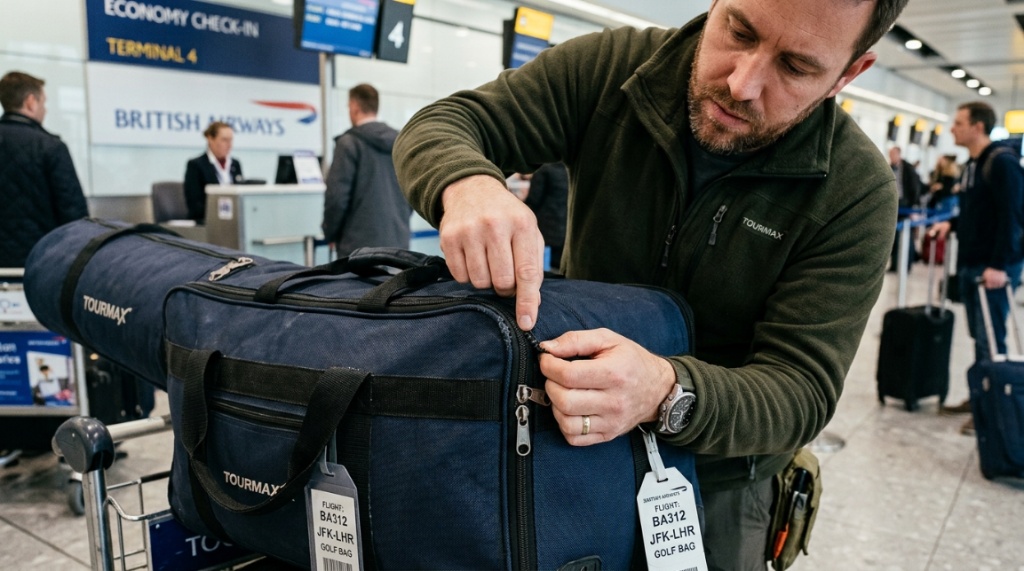
Airline policies dictate what size and weight your bag must be. Most airlines treat golf bags as one piece of checked luggage, but some have specific “sporting equipment” fees. Knowing these rules helps you choose a bag that avoids extra charges.
Oversized Baggage Fees
Most golf bags are under 63 linear inches (L+W+H), which is the standard limit. However, some hard cases exceed this. Check your bag’s dimensions against your primary airline’s policy. A soft bag that compresses slightly may be cheaper to fly with than a rigid case.
Weight Limits for Domestic Flights
In the US, the limit is usually 50 lbs. In Europe, it’s often 23 kg (50.7 lbs). A heavy luxury bag with a built-in scale might push you over. Choose a light bag and use a portable luggage scale to verify weight before you leave home.
Recommended Comparison: The Top 3 Budget Bags
Based on material quality, features, and price, here is a quick comparison of three popular budget models. Remember that prices fluctuate, so focus on the feature set.
| Feature | Bag A (Value) | Bag B (Balanced) | Bag C (Premium Budget) |
|---|---|---|---|
| Material | 600D Polyester | Ripstop Nylon | 900D Nylon |
| Wheels | Molded Plastic | Inline Skate | Inline Skate with Bearings |
| Bottom | Rubberized Skid Plate | Hard Plastic Tray | Reinforced ABS Tray |
| Extra Features | Single Strap | Internal Straps, Lockable | Hood Included, External Shoe Pocket |
| Est. Price | $85 | $110 | $140 |
Which Bag Offers the Best Value for Money?
Bag B offers the best balance of weight, protection, and cost. The inline wheels make a significant difference in usability. However, if you find Bag A on sale for under $70, it might be a better deal for a casual traveler who flies once a year.
How to Extend the Life of Your Budget Bag
Use duct tape to cover any sharp edges on your clubheads. Do not overpack the bag—overstuffing stresses the zippers. Always lift the bag by the reinforced handle, not the pull handle. With this care, even budget bags can last for years.
Frequently Asked Questions
Can I use a regular stand bag for air travel?
Technically yes, but it is highly risky. Stand bags lack the protective padding and hard bottom needed for airport handling. You risk damaged clubs and a torn bag. Please invest in a travel bag to protect your equipment.
How do I keep my clubs from rattling during a flight?
Use a towel or bubble wrap around the clubheads. Ensure the internal compression straps are tight. Place a spare t-shirt between the shafts to prevent them from hitting each other. This minimizes movement and protects your graphite shafts.
Is it better to buy a hard case or soft case for flying?
Hard cases offer maximum protection but are bulky and heavy. Soft cases are easier to store and lighter. For most travelers, a high-quality soft case with a hard bottom is sufficient. Choose a hard case only for extremely valuable or fragile equipment.
What is the best way to lock my golf bag?
Use TSA-approved locks on the zippers. Do not use a non-TSA lock, as airline security will cut it off. You can also use zip ties for a tamper-evident seal, but keep a pair of scissors in your carry-on to remove them.
How do I clean a budget golf travel bag?
Wipe it down with a damp cloth and mild soap. Do not put it in the washing machine. Allow it to air dry completely before storing. Store it in a dry place to prevent mold and mildew on the fabric.
Should I remove the driver head from my club?
Yes, if your driver has an adjustable hosel, it is wise to remove the head and pack it in your carry-on. This reduces the length of the club and prevents the head from snapping off during transport.
Can I ship my clubs using a budget bag?
Yes, you can use a budget bag for shipping via freight services like UPS or FedEx. However, most freight companies prefer a hard case. If using a soft bag, wrap it in several layers of bubble wrap and cardboard for extra protection in transit hubs.
Conclusion
Finding a durable travel bag doesn’t require a blank check. You just need to focus on the right materials, solid wheels, and a reinforced bottom. Remember to weigh the empty bag, test the zippers, and always pack smart with towels or clothing for buffer protection. A little bit of research and careful shopping will save you from the heartbreak of a broken driver and the frustration of an airline damage claim. Take your time to compare, and you will be rewarded with reliable gear that gets your clubs to the course safely. Now, go ahead and book that trip—your clubs are ready for the journey.