
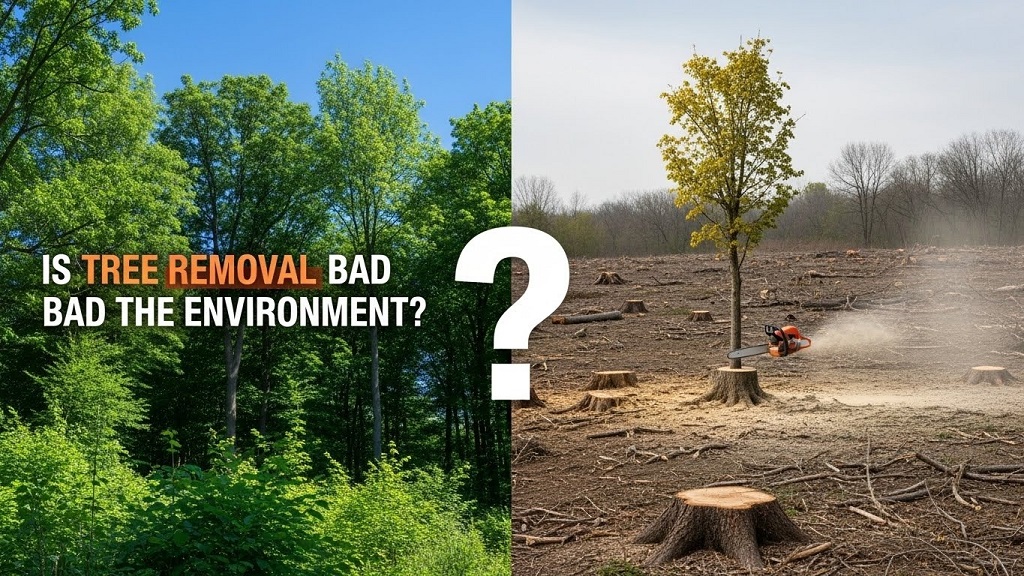
Isolated, large‑scale tree removal is harmful to the environment, but carefully planned, necessary, and eco friendly tree removal can actually protect ecosystems, property, and public safety. The key question is not “is tree removal bad for the environment?” but “why, how, and what will replace the tree?”
Why Trees Matter So Much
Trees are one of the most important tools for climate regulation, biodiversity, and healthy cities. They store carbon, cool the air, support wildlife, and protect soil and water.
-
Trees absorb greenhouse gases like carbon dioxide and store them in wood, helping slow climate change.
-
Urban and suburban trees reduce heat, filter air pollution, and improve mental and physical health for nearby residents.
-
Roots stabilize soil, reduce erosion, and help rainfall soak into the ground instead of running off and causing floods or water pollution.
Because trees provide so many “ecosystem services,” removing them always comes with environmental trade‑offs, even when removal is necessary.
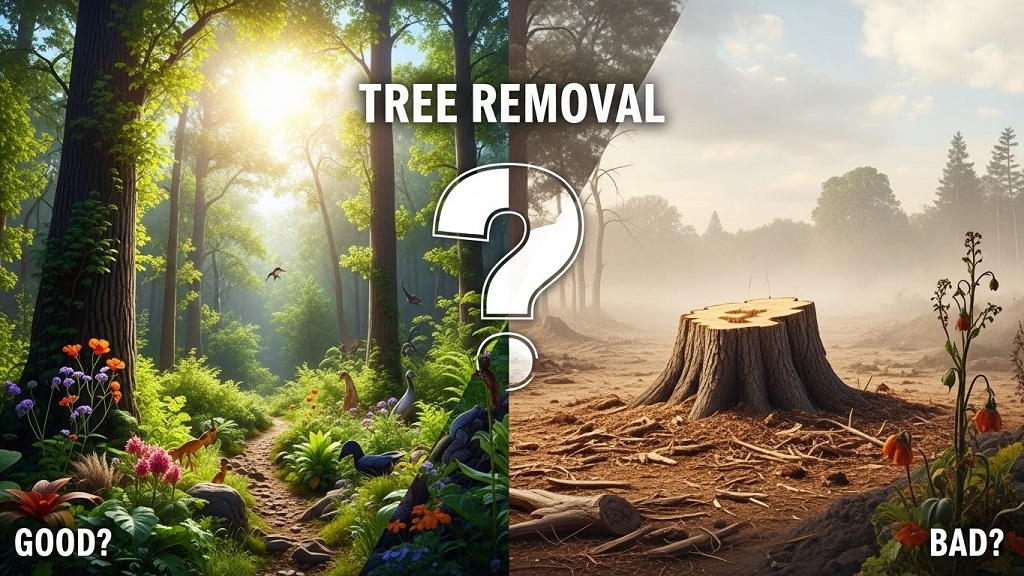
Is Tree Removal Bad for the Environment?
Tree removal becomes environmentally harmful when it is frequent, poorly planned, or driven only by convenience or aesthetics. However, targeted removal for safety, ecosystem health, or disease control can be justified and even beneficial.
-
Removing healthy trees reduces carbon storage, shade, wildlife habitat, and air‑ and water‑quality benefits, especially when not offset by new planting.
-
When removal is part of a managed plan—such as replacing invasive trees with native species or removing dangerous specimens—it can support long‑term environmental resilience.
So the answer to “is tree removal bad for the environment” is: unnecessary removal usually is, but responsible, eco friendly tree removal can minimize harm and even improve overall ecosystem health.
Environmental Downsides of Tree Removal
Understanding the cons in the pros and cons of tree removal helps you see why experts urge caution.
-
Loss of carbon storage and shade: Fewer trees mean less carbon captured from the air and hotter streets, buildings, and soils.
-
Habitat and biodiversity loss: Birds, insects, and small mammals lose nesting and feeding sites, which can fragment local ecosystems.
-
Soil erosion and water issues: Without roots to anchor soil and canopies to slow rain, erosion, runoff, and flooding risks increase, and nearby water bodies can receive more sediment and pollutants.
-
Higher pollution and urban heat: Removing trees can worsen air quality and intensify the urban heat island effect, raising energy demand for cooling.
On a large scale—like deforestation—these impacts magnify into serious climate, flooding, and land‑degradation problems.
When Is Tree Removal Necessary?
There are times when leaving a tree in place is the greater risk, both for people and the surrounding environment. Knowing when is tree removal necessary helps you make responsible decisions.
Common situations where removal is justified include:
-
Dead or dying trees: Trees that no longer leaf out, have extensive decay, or show major dieback can fail unexpectedly and cause injury or damage.
-
Severe structural problems: Large cracks, split trunks, major root damage, or a recent significant lean can make a tree unstable, especially in storms.
-
Serious disease or pest infestation: Infected trees can spread pathogens or insects to nearby healthy trees; removal can protect the wider canopy.
-
Conflicts with infrastructure: Trees growing into power lines, foundations, plumbing, or driveways can create safety hazards or costly damage.
-
Poor placement or overcrowding: Trees planted too close together, too near buildings, or in high‑fire or high‑wind zones may need thinning or removal to protect the landscape.
A certified arborist can evaluate whether pruning, cabling, or other interventions can save a tree before removal is considered.
Pros and Cons of Tree Removal
Responsible decisions weigh both the environmental and practical pros and cons of tree removal.
| Aspect | Pros of Tree Removal | Cons of Tree Removal |
|---|---|---|
| Safety | Eliminates risk from dead, leaning, or structurally unsound trees near people, homes, or power lines. | Loss of natural windbreaks can increase wind damage and storm impacts in exposed areas. |
| Property & Infrastructure | Prevents root damage to foundations, driveways, and underground utilities; avoids branch contact with roofs and wires. | Removal can reduce property value and curb appeal where mature trees were an asset. |
| Ecosystem Health | Can stop spread of severe pests or diseases and allow more suitable or native species to thrive. | Reduces habitat, biodiversity, and local ecosystem stability if not paired with replanting. |
| Climate & Air | Removing invasive or poorly placed trees may enable planting of species with higher long‑term carbon storage or better resilience. | Decreases carbon sequestration, shade, and air‑pollution filtering, worsening heat and air quality. |
| Water & Soil | In select cases, removal can improve light and water availability for degraded sites or understory restoration. | Increases erosion, runoff, and flood risk; can pollute waterways with sediment and contaminants. |
The goal of eco friendly tree removal is to capture the safety and property benefits while minimizing the environmental downsides through planning, replanting, and careful site management.
What Makes Tree Removal “Eco Friendly”?
Eco friendly tree removal focuses on reducing environmental harm at every stage—from deciding whether to cut, to handling debris, to restoring the site. Look for practices like these.
-
Preservation‑first mindset: Professionals should explore pruning, cabling, or selective limb removal before recommending full removal, especially for healthy mature trees.
-
Strategic replacement planting: Replanting one or more trees—ideally native, diverse species—helps restore carbon storage, shade, and habitat over time.
-
Soil and erosion control: Leaving roots in place where possible, using mulch, and adding groundcovers help protect soil and reduce runoff after removal.
-
Low‑waste disposal: Chipping branches for mulch, repurposing trunks as lumber or habitat logs, and avoiding unnecessary burning lower emissions and waste.
Companies that advertise eco friendly tree removal often emphasize certified arborists, minimal ground disturbance, and a strong replanting or restoration policy.
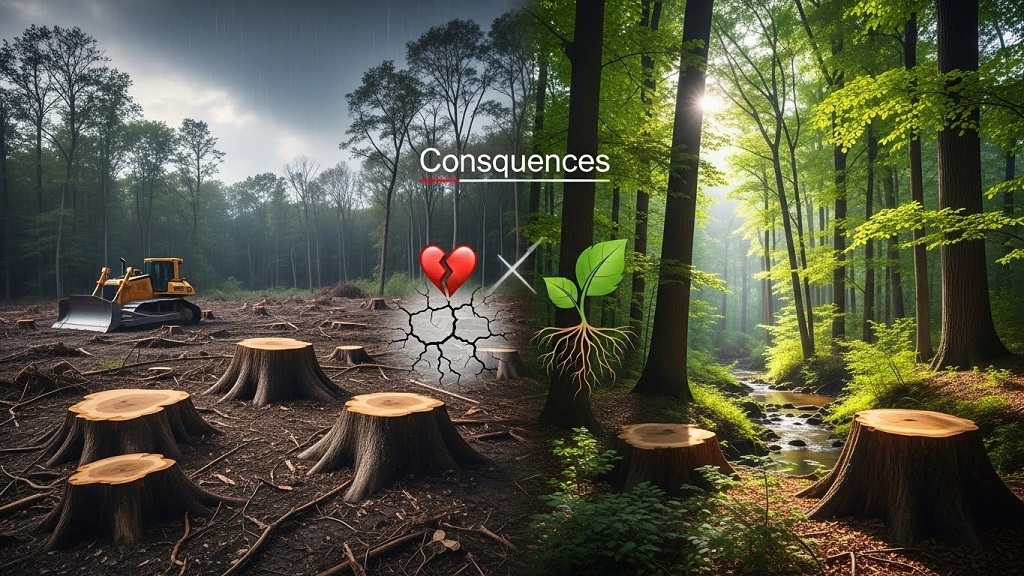
How to Decide Responsibly About a Tree
For homeowners and property managers, the decision usually starts with a concern—dead branches, a leaning trunk, or roots near a foundation. Instead of jumping straight to removal, follow a simple framework.
-
Assess risk and health
-
Note visible signs: lack of leaves, fungal growth, cavities, cracks, significant lean, or branches over roofs and wires.
-
Have a qualified arborist complete a risk assessment and suggest alternatives.
-
-
Consider environmental value
-
Evaluate the tree’s size, species, shade, habitat role, and contribution to privacy or wind protection.
-
Factor in how removal might affect erosion, drainage, and nearby vegetation.
-
-
Weigh alternatives
-
Explore pruning, dead‑wood removal, cabling/bracing, or root barriers where appropriate.
-
If a tree is invasive or unsuitable, plan a replacement with a better‑adapted, preferably native species.
-
-
Plan an eco friendly approach
-
Time work outside of peak nesting seasons where possible, or have the site checked for active nests or protected species.
-
Decide in advance how you will handle debris, replanting, and erosion control.
-
Using this process helps align your decision with both safety needs and environmental responsibility, which is exactly what searchers mean when they ask “is tree removal bad for the environment” or “when is tree removal necessary.”
Practical Tips for Homeowners and Landowners
If you are facing a potential removal and want a greener outcome, these steps can help.
-
Get at least one opinion from a certified arborist, especially for large or borderline‑risk trees.
-
Prioritize removal of dead, severely diseased, or clearly hazardous trees over healthy ones.
-
If you must remove, commit to planting new trees, shrubs, or native plants on the same property or nearby.
-
Choose species suited to your climate, soil, and available space so they thrive long‑term and maximize benefits.
-
Ask your contractor about minimizing soil compaction, protecting nearby roots, and recycling wood as mulch or timber.
These actions turn a necessary loss into an opportunity to improve the overall health and resilience of your landscape.
FAQs About Tree Removal and the Environment
1. Is removing one tree really bad for the environment?
Removing a single tree does reduce local benefits like shade, carbon storage, and habitat, but the impact is usually small if you replant and care for other vegetation on the property. The larger environmental damage comes when many trees are removed without replacement over time.
2. Are there eco friendly tree removal methods?
Yes. Eco friendly tree removal includes thorough risk assessment before cutting, careful protection of surrounding plants and soil, erosion‑control measures, and reusing wood as mulch or lumber instead of landfilling or burning. Pairing removal with thoughtful replanting is essential.
3. How many trees should I plant after removing one?
Many experts recommend planting at least one, and preferably two or more, replacement trees—especially if the removed tree was large and mature—so that long‑term canopy cover and carbon storage are maintained or increased. Choose species that will thrive in your conditions and provide strong ecological value.
4. Can tree removal ever improve the environment?
Tree removal can support environmental goals when it focuses on invasive species, severely diseased trees, or dangerous specimens that threaten infrastructure and other vegetation, followed by restoration with more suitable plants. In these cases, long‑term ecosystem health and safety can improve.
5. Who should decide when tree removal is necessary?
Decisions should be based on professional assessments from qualified arborists or tree‑care specialists who understand both tree biology and risk factors. Local regulations or permits may also apply, especially for street trees, protected species, or large removals.
Call to Action: Make Every Tree Decision Count
Every time you consider cutting a tree, you are making a long‑term environmental choice for your property and community. Use the pros and cons of tree removal, understand when tree removal is necessary, and insist on eco friendly tree removal practices that include expert assessment, minimal disturbance, and replanting.
Before you schedule any work, consult a certified arborist and create a simple “tree plan” for your home or land—what to remove, what to preserve, and what to plant next—so your decisions protect both people and the planet for years to come.
Related Topics: What Do You Need to Do if You Break Down When You are on the Motorway?
Related Topics: How to Maximize the ROI of Ceramic Coating: Prep, Maintenance, and Reapplication Tips