
A bad smell coming from your dog’s ears often signals more than simple dirt buildup. Many pet owners notice a yeasty or sour odor long before they spot redness, discharge, or scratching. According to veterinary studies, ear infections affect up to 20% of dogs worldwide, especially breeds with floppy ears or active outdoor lifestyles. Moreover, humid climates and poor ear hygiene increase the risk of bacterial growth inside the ear canal. Understanding the reason behind the odor helps owners prevent painful infections before they become serious.
What Causes Bad-Smelling Dog Ears?
Dogs naturally produce wax inside their ears to trap dirt and debris. However, excessive moisture, trapped bacteria, and yeast can quickly create a foul odor. Warm climates often worsen the issue because humidity keeps the ear canal damp for longer periods. As a result, dogs living in coastal or tropical regions face more recurring ear problems than dogs in dry environments.
Certain breeds develop ear odor more frequently because of their ear structure. Breeds like Cocker Spaniels, Basset Hounds, and Golden Retrievers have floppy ears that limit airflow. Consequently, moisture and heat remain trapped inside the ear canal after walks, swimming, or baths. Many owners who already manage other canine hygiene concerns also pay attention to common dog skin irritation issues because skin and ear health often connect closely.
Signs That Your Dog’s Ear Smell Is Serious
A mild smell after outdoor activity may not indicate a dangerous problem immediately. Still, persistent odor usually appears alongside irritation or infection. Dogs often show discomfort through scratching, head shaking, or rubbing their ears against furniture. In severe cases, they may become unusually quiet or sensitive when touched near the head.
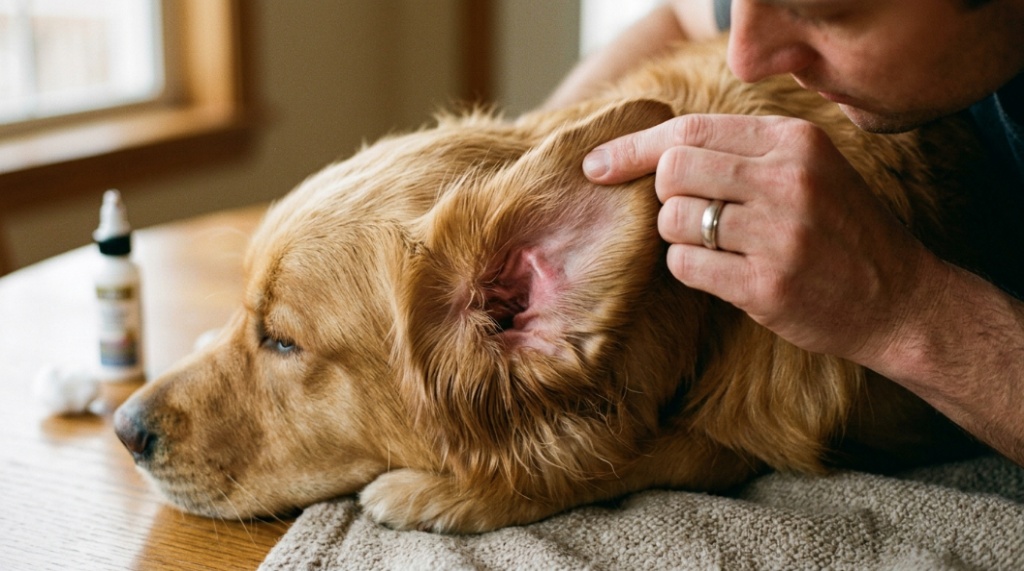
Watch carefully for dark discharge, swelling, or crust around the ear opening. These symptoms often point toward yeast infections or bacterial overgrowth inside the canal. Additionally, strong smells similar to rotten food or sour bread typically indicate active infection rather than normal wax buildup. Early attention prevents deeper infections that may affect hearing and balance.
Common Symptoms to Monitor
- Constant scratching near the ears
- Head tilting or shaking
- Brown, yellow, or black discharge
- Redness inside the ear flap
- Sensitivity during cleaning
- Strong sour or cheesy smell
Why Humidity Makes Ear Problems Worse
Climate plays a bigger role in ear health than many pet owners realize. Dogs living in humid regions such as Florida, Louisiana, or tropical Asian countries experience higher moisture retention in their ears. After outdoor walks, trapped sweat and moisture encourage rapid yeast growth inside the ear canal. Therefore, routine ear cleaning becomes more important during summer and rainy seasons.
Cold climates can also contribute to ear issues in unexpected ways. During winter, dogs spend more time indoors where heating systems dry the skin and trigger irritation. Some dogs then scratch excessively, causing inflammation and secondary infections. Owners who already monitor broader wellness concerns, including recurring canine skin discomfort, often notice ear flare-ups during seasonal changes as well.
The Hidden Link Between Allergies and Ear Odor
Food allergies and environmental allergies frequently trigger ear infections in dogs. When a dog reacts to pollen, dust, or certain proteins, inflammation increases throughout the body. The ears then produce excess wax and oil, creating a perfect environment for yeast and bacteria. Consequently, recurring odor may signal an underlying allergy instead of poor hygiene alone.
Many owners repeatedly clean their dog’s ears without addressing the root cause. Unfortunately, the smell usually returns within days if allergies remain untreated. Veterinarians often recommend elimination diets or allergy testing for dogs with chronic ear infections. Identifying the trigger can dramatically reduce odor and irritation over time.
How Ear Wipes Help Control Odor
Ear wipes provide a simple and effective way to remove wax, dirt, and moisture before infections develop. Unlike cotton swabs, wipes clean the visible ear area without pushing debris deeper into the canal. Regular use also helps reduce the warm, moist environment that bacteria love. As a result, dogs stay cleaner and more comfortable between grooming appointments.
Many ear wipes contain gentle ingredients such as aloe vera, witch hazel, or chlorhexidine. These ingredients soothe irritation while helping control microbial growth inside the ear flap area. Additionally, wipes work well for active dogs that swim, hike, or spend time outdoors daily. Consistent maintenance often prevents costly veterinary treatments later.
Benefits of Using Ear Wipes
- Remove excess wax safely
- Reduce moisture buildup
- Help minimize odor naturally
- Support healthy ear skin
- Easy for quick weekly cleaning
- Useful during travel or outdoor activities
The Most Overlooked Cause of Ear Smell
One uncommon but real cause of recurring ear odor comes from over-cleaning. Many owners clean their dog’s ears too aggressively with strong solutions or alcohol-based products. Excessive cleaning strips away natural oils and irritates delicate ear tissue. Consequently, the body responds by producing even more wax and inflammation.
Veterinarians increasingly discuss this issue because social media grooming trends encourage frequent deep cleaning. In reality, healthy ears maintain a natural balance of oils and bacteria. Ear wipes work best when used moderately and gently instead of excessively. A consistent but balanced cleaning schedule protects the ear’s natural barrier while controlling odor.
Choosing the Right Ear Wipes for Your Dog
Not all ear wipes work equally well for every dog. Dogs with sensitive skin need fragrance-free formulas that avoid alcohol and harsh chemicals. Meanwhile, dogs prone to yeast infections may benefit from wipes containing antifungal ingredients. Reading labels carefully helps owners avoid products that worsen irritation accidentally.
Texture also matters more than most people expect. Soft textured wipes clean effectively without scratching the inner ear flap. Thick wipes absorb wax better and reduce mess during cleaning sessions. Additionally, resealable packaging keeps wipes moist and hygienic for longer storage periods.
Ingredients That Support Healthy Ears
- Aloe vera for soothing irritation
- Witch hazel for gentle cleansing
- Coconut oil for moisture balance
- Chlorhexidine for bacteria control
- Oat extract for sensitive skin
How to Properly Clean Your Dog’s Ears
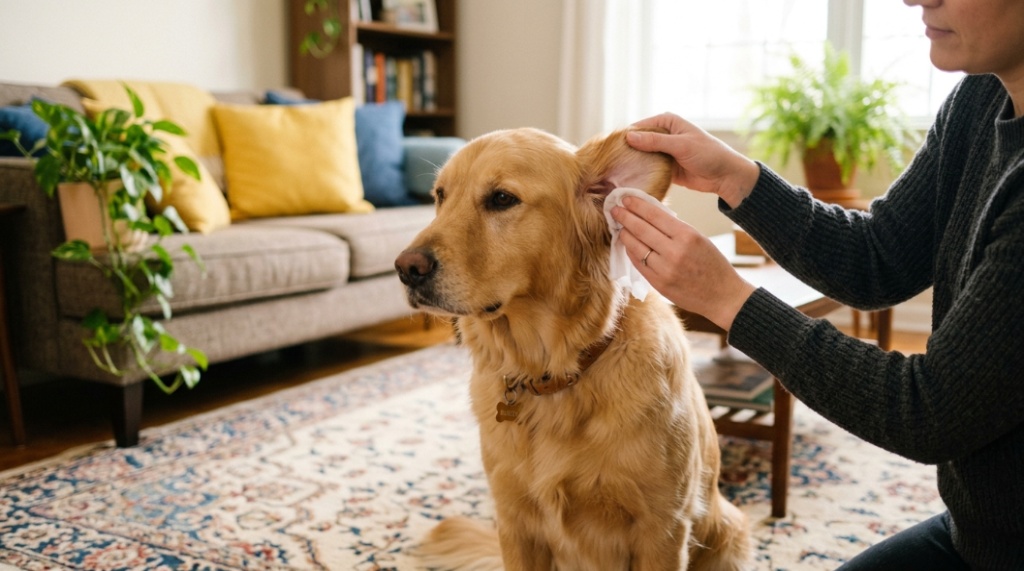
Start by helping your dog feel calm and relaxed before cleaning begins. Hold the ear flap gently and wipe only the visible areas of the ear. Avoid inserting fingers or wipes deeply into the canal because this may cause injury or compact debris further inside. Slow movements help nervous dogs remain cooperative during the process.
After cleaning, reward your dog with praise or treats to create positive associations. Consistency matters more than aggressive scrubbing during ear care routines. Most healthy dogs benefit from weekly cleaning, while highly active or allergy-prone dogs may need more frequent maintenance. Observing your dog’s ear condition helps determine the ideal schedule.
When Ear Wipes Are Not Enough
Ear wipes help manage mild odor and routine hygiene effectively. However, severe infections often require professional veterinary treatment and medicated solutions. If your dog experiences swelling, bleeding, or extreme pain, avoid home treatment alone. Delaying care may allow infections to spread deeper into the ear canal.
Chronic infections can eventually damage hearing and balance if ignored repeatedly. Veterinarians sometimes perform ear cytology tests to identify bacteria, yeast, or mites accurately. Treatment may include prescription drops, oral medication, or allergy management plans. Quick action improves recovery and reduces long-term discomfort significantly.
Preventing Future Ear Odor Naturally
Prevention remains easier and cheaper than treating advanced infections repeatedly. Dry your dog’s ears thoroughly after swimming, baths, or rainy walks. Moisture trapped inside the ear canal creates the perfect environment for microorganisms to multiply quickly. Therefore, regular drying and light cleaning dramatically reduce future odor problems.
Diet quality also influences skin and ear health more than many owners expect. Omega-3 fatty acids support healthy skin barriers and reduce inflammation naturally. Additionally, maintaining a clean sleeping environment helps minimize exposure to dust, mold, and allergens. Small daily habits often make the biggest difference over time.
Smart Prevention Habits
- Dry ears after water activities
- Clean bedding regularly
- Use gentle weekly ear wipes
- Avoid over-cleaning
- Monitor allergy symptoms
- Schedule routine vet checkups
Conclusion
Bad-smelling dog ears rarely disappear on their own without proper attention. In many cases, odor signals trapped moisture, allergies, yeast buildup, or developing infection inside the ear canal. Fortunately, gentle ear wipes help remove debris, reduce moisture, and support healthier ears when used correctly. Pet owners who also stay aware of broader dog skin and irritation concerns often catch ear issues much earlier before they become severe.
Creating a simple weekly ear-care routine can improve your dog’s comfort, reduce scratching, and prevent expensive vet visits. Watch for unusual smells, changes in behavior, or recurring discharge because early action matters greatly. Healthy ears contribute to your dog’s overall well-being and happiness every day. Start using safe ear-cleaning habits now to keep your dog healthy, active, and odor-free.
FAQs
Why do my dog’s ears smell like yeast?
Yeasty smells usually come from moisture buildup and fungal overgrowth inside the ear canal.
Can ear wipes prevent infections?
Regular ear wipes help reduce dirt and moisture, which lowers infection risk significantly.
How often should I clean my dog’s ears?
Most dogs benefit from gentle ear cleaning once a week unless a vet recommends otherwise.
Are bad-smelling ears always an infection?
Not always, but persistent odor often signals irritation, yeast, or bacterial imbalance.
Can allergies cause ear odor in dogs?
Yes, allergies commonly increase inflammation and wax production inside the ears.

