
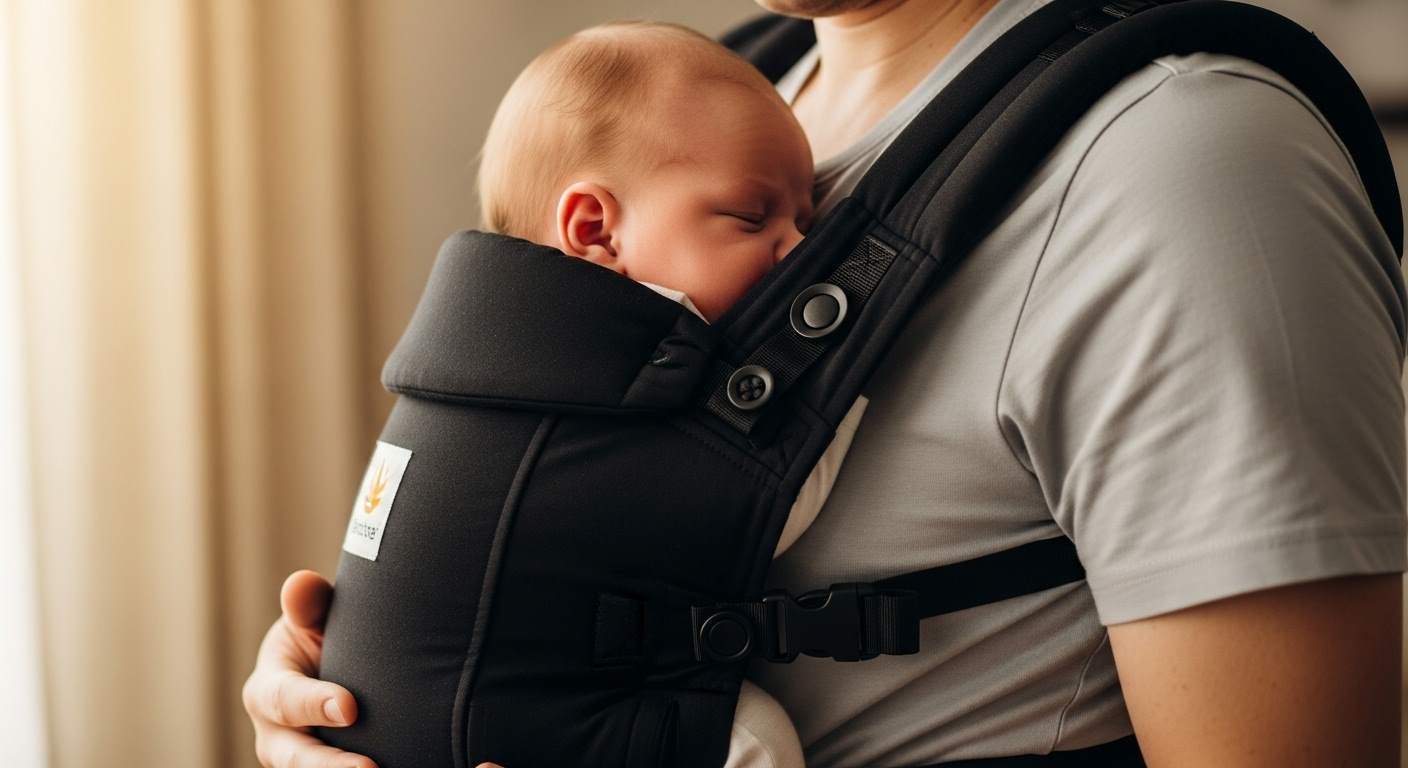
Picture this. You hold your precious newborn close, feeling their tiny heartbeat sync with yours, while you brew coffee or fold laundry hands free. Babywearing makes that magic happen every day. This practice uses a carrier to keep your baby snug against your body, fostering connection from the start. Parents around the world embrace it for its blend of convenience and bonding. According to the American Academy of Pediatrics, babywearing reduces crying and promotes attachment. Research shows carrying babies for three hours daily cuts evening fussiness by up to 51 percent. Additionally, a study found higher breastfeeding rates among those using carriers from birth. For more Babywearing Tips for Newborns, check out the best one. Now, let’s dive deeper into mastering a 6-in-1 carrier safely.
What is Babywearing?
Babywearing means carrying your infant in a fabric wrap or structured carrier attached to your body. People have done this for centuries across cultures. Today, modern parents rediscover its joys.
First, understand the basics. You position the baby upright against your chest or back. This frees your hands for tasks. Meanwhile, your baby stays calm and secure.
Moreover, babywearing differs from strollers. It provides constant touch, which soothes newborns. As a result, many families integrate it into daily routines seamlessly.
Benefits of Babywearing for Newborns
Newborns thrive on closeness. Babywearing delivers that in abundance. Studies highlight numerous advantages for little ones.
For instance, it reduces crying significantly. One randomized controlled trial showed babies carried three hours a day fussed 51 percent less in evenings. Parents notice happier infants overall.
Additionally, it boosts bonding. Skin to skin contact releases oxytocin, strengthening emotional ties. The American Academy of Pediatrics endorses this for attachment.
Furthermore, babywearing supports development. Babies hear your voice more, aiding language skills. Their visual and auditory alertness improves too.
Research also links it to better breastfeeding. A study of 100 infants found higher rates at six months among early carrier users. This saves billions in health costs annually.
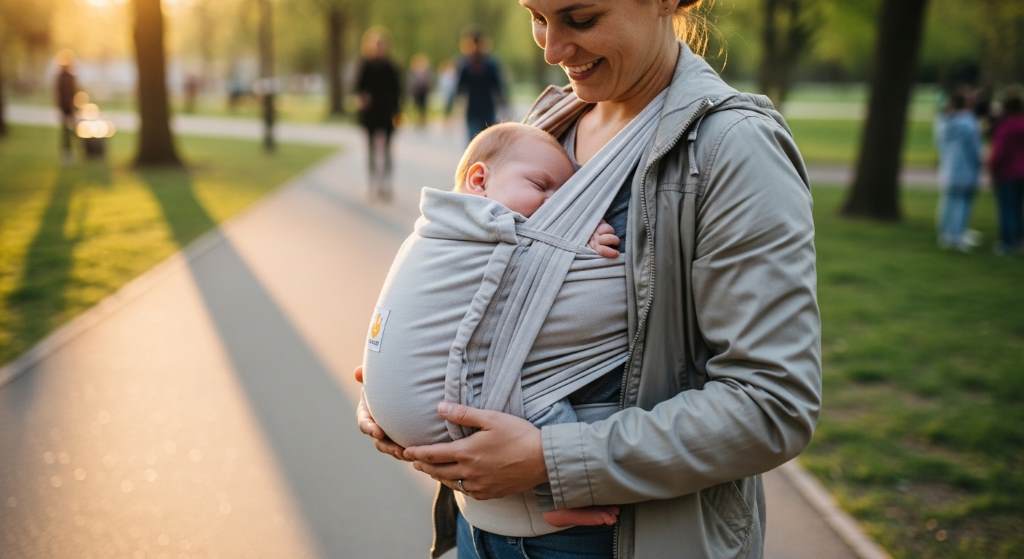
Physical perks include healthy hip growth. Proper positioning prevents dysplasia, as noted by the International Hip Dysplasia Institute.
Parents benefit as well. Surveys show 97 percent use carriers for multitasking. Less fatigue and better sleep follow increased carrying.
In short, babywearing enhances life for everyone involved. It builds a foundation of security from day one.
Understanding the 6-in-1 Carrier
A 6-in-1 carrier offers versatility. It adapts to six positions as your baby grows. This makes it ideal for newborns through toddlers.
Typically, these carriers feature adjustable seats. You zip to widen or narrow the base. Headrests provide extra support for tiny heads.
Materials matter too. Premium cotton ensures breathability and softness. Eco friendly options avoid harmful chemicals.
The Momtory model exemplifies this. It supports from seven pounds with ergonomic M positioning. Six modes include front inward, outward, back, hip, and hybrids.
Always check certifications. Look for hip healthy recognition from experts. This guarantees safe joint development.
Versatility shines in daily use. Switch positions based on needs. For newborns, front inward dominates for closeness.
Invest time learning features. Practice without baby first. Comfort follows familiarity.
Safety Guidelines for Babywearing Newborns
Safety comes first always. Follow proven guidelines to protect your newborn. Experts emphasize proper positioning.
Use the TICKS rule. Tight means snug fit without slumping. In view ensures you see the face.
Close enough to kiss keeps the head accessible. Keep chin off chest for open airways. Supported back maintains natural curve.
The International Hip Dysplasia Institute stresses M position. Knees higher than bottom, thighs supported wide.
Avoid slings for newborns. They risk suffocation due to fabric enclosure. Structured carriers prove safer.
Check baby often. Ensure airways clear, no overheating. Premature or low weight babies need extra caution.
Latest research confirms benefits when done right. A 2023 review found minimal risks with correct use.
Physicians advise consulting providers. Especially for health concerns. This personalizes safety.
Never breastfeed while wearing. It obstructs airways potentially. Stop and adjust instead.
Inspect carriers regularly. Look for wear like frayed straps. Secure all buckles before use.
Incorporate these habits. You create a secure environment. Peace of mind follows.
Step-by-Step Guide to Using a 6-in-1 Carrier for Newborns
Start with preparation. Lay out the carrier. Read instructions thoroughly.
First, adjust for newborn mode. Narrow the seat if needed. Use infant inserts for support.
Next, position the waist belt. Secure it around hips or waist. Buckle firmly.
Then, hold your baby upright. Face them inward against your chest. Support head gently.
Now, pull the panel up. Cover baby’s back to neck. Ensure legs in M shape.
After that, slip arms through straps. Cross or parallel based on design. Tighten evenly.
Finally, check fit. Baby sits high, close. You kiss the head easily.
Practice in a mirror. Adjust as necessary. Comfort builds with repetition.
For fetal carry, use wide seat. Tuck legs in curled position. Ideal for tiniest newborns.
Inward facing follows. Narrow seat for this. Keeps baby secure.
Avoid outward until neck control develops. Around four months typically.
Back carry waits longer. Six months or sitting unaided.
Hip mode offers variety. Wide seat here. Great for curious babies.
Follow these steps. You master the carrier quickly. Joy ensues.
Expert Tips for Comfort and Success
Experts share valuable insights. Incorporate them for better experiences.
First, dress appropriately. Layer lightly to prevent overheating. Monitor temperature closely.
Additionally, start short sessions. Build up time gradually. This acclimates both.
Moreover, use mirrors for checks. See positioning from angles. Adjust promptly.
Furthermore, involve partners. Share carrying duties. Strengthens family bonds.
Research suggests heart to heart positioning. Inward facing promotes security.
Tips include walking rhythmically. Motion soothes fussy babies effectively.
Also, sing or talk. Interaction enhances development. Babies learn voices.
For back pain, stagger feet. One forward stance balances weight.
Experts recommend professional fittings. Babywearing educators guide personally.
Incorporate movement. Gentle swaying calms. Mimics womb sensations.
Finally, listen to instincts. If uncomfortable, stop. Reassess setup.
These tips elevate babywearing. You enjoy more, stress less.
Common Mistakes to Avoid in Babywearing
Mistakes happen often. Awareness prevents them easily.
One common error involves loose carriers. Babies slump, risking airways. Tighten straps properly.
Another mistake positions legs wrong. Dangling strains hips. Ensure M shape always.
Parents sometimes wear low. This strains backs. Keep baby high, kissable.
Forgetting checks follows. Overlook airways briefly. Monitor constantly instead.
Using wrong carriers persists. Slings for newborns danger. Choose structured options.
Facing out too soon occurs. Weak necks suffer. Wait for control.
Breastfeeding in carrier tempts. Obstructs breathing potentially. Remove baby first.
Overheating sneaks up. Heavy layers trap heat. Dress lightly.
Ignoring instructions prevails. Skip steps confuse. Follow manuals closely.
Back carries early risk. Unstable babies fall. Delay until ready.
Avoid these pitfalls. Safety improves dramatically. Confidence grows.
Advanced Techniques for Babywearing
As you gain experience, explore more. Advanced methods add variety.
For example, try hip carries. Shift weight sideways. Eases long sessions.
Additionally, incorporate hoods. Shade sleeping babies. Protects from elements.
Moreover, use for chores. Vacuum or cook safely. Baby stays content.
Furthermore, travel with carriers. Airports simplify navigation. Hands free helps.
Research supports prolonged wearing. Up to hours daily benefits.
Case studies show multitasking wins. Parents report productivity boosts.
Incorporate into routines. Naps happen easier worn.
For twins, double carriers work. Specialized options exist.
Consult communities. Online forums share wisdom.
These techniques expand possibilities. Babywearing evolves with you.
Research-Backed Insights on Babywearing
Science illuminates babywearing’s value. Dive into findings.
A 2022 survey of 3758 enthusiasts revealed benefits. Frequent wearing improved caregiver fatigue and sleep.
Additionally, biomechanical studies compare methods. Carriers reduce joint loads versus arms.
Moreover, attachment theory applies. Close contact fosters secure bonds.
Furthermore, WHO indirectly supports. Promotes skin contact for health.
A scoping review synthesized effects. Positive on physiology and behavior.
Research on crying reduction stands strong. 1986 study remains foundational.
Hip development research endorses M position. Prevents dysplasia effectively.
Maternal mental health improves. Less isolation, more interaction.
Infant development accelerates. Enhanced sensory input aids.
These insights validate practices. You rely on evidence.
Integrating Babywearing into Daily Life
Make babywearing habitual. Start small, build up.
For instance, wear during walks. Fresh air benefits both.
Additionally, use for shopping. Navigate stores easily.
Moreover, incorporate at home. Cook meals together.
Furthermore, bond during errands. Talk about surroundings.
Parents share stories. One mom hiked mountains worn.
Another dad worked remotely. Baby napped contently.
Communities form around it. Join groups for support.
Adapt to seasons. Layer for weather.
This integration enriches days. Connection deepens.
Troubleshooting Common Issues
Issues arise sometimes. Solutions exist readily.
If baby fusses, check position. Adjust for comfort.
Additionally, back aches? Redistribute weight. Tighten straps.
Moreover, overheating? Remove layers. Choose breathable fabrics.
Furthermore, slipping straps? Secure buckles tighter.
Research advises breaks. Rotate positions periodically.
For neck strain, support head better. Use pillows if needed.
Consult experts for persistent problems. They diagnose quickly.
These fixes smooth experiences. Persistence pays off.
Babywearing and Family Dynamics
Babywearing influences families positively. It strengthens ties.
For example, siblings interact more. Older kids see baby close.
Additionally, partners share carrying. Equality fosters.
Moreover, grandparents participate. Easy to learn.
Furthermore, it aids working parents. Balances demands.
Stories abound of family adventures. Picnics, travels enhanced.
Research links to responsive parenting. Quicker need fulfillment.
This dynamic shifts households. Harmony increases.
Long-Term Effects of Babywearing
Consider future impacts. Benefits extend beyond infancy.
For instance, secure attachment lasts. Leads to confident children.
Additionally, physical habits form. Healthy postures continue.
Moreover, emotional resilience builds. From early closeness.
Furthermore, language skills advance. Constant exposure helps.
Studies track long term. Positive outcomes in development.
Parents report easier transitions. To independence later.
This investment yields dividends. Lifelong advantages emerge.
Cultural Perspectives on Babywearing
Cultures vary in practices. Learn from diversity.
In Africa, wraps dominate. Bright fabrics carry daily.
Additionally, Asia uses mei tais. Traditional ties secure.
Moreover, Indigenous groups innovate. Natural materials prevail.
Furthermore, Western adoption grows. Modern designs blend.
Global research appreciates universality. Bonding transcends borders.
Embrace influences. Enrich your approach.
Related:
How to Choose the Right Baby Carrier Wrap for Your Newborn
Evolving Babywearing Trends
Trends shift with time. Stay informed.
For example, sustainable materials rise. Eco conscious choices.
Additionally, tech integrates. Apps guide fittings.
Moreover, inclusive designs emerge. For all bodies.
Furthermore, research drives innovations. Safer features added.
Follow experts online. Updates keep current.
These trends enhance accessibility. Everyone benefits.
Personal Stories from Babywearing Parents
Hear real experiences. They inspire greatly.
One parent shared bonding moments. “It saved my sanity postpartum.”
Additionally, another noted convenience. “I cooked dinner daily.”
Moreover, a dad appreciated closeness. “Felt connected instantly.”
Furthermore, challenges overcome. “Adjusted and never looked back.”
These stories humanize practice. Relate and motivate.
Conclusion
Babywearing transforms newborn care. You learned benefits like reduced crying and stronger bonds. Safety guidelines ensure protection. Step by step instructions guide usage. Expert tips boost comfort. Avoid mistakes for success. Research backs these practices. Integrate into life for joy. Now, grab your 6-in-1 carrier. Start babywearing today with confidence. Your baby awaits that close embrace.
FAQs
FAQ 1: What age can I start babywearing my newborn?
You start from birth if the carrier supports minimum weight. Most 6-in-1 models handle seven pounds safely. Always use newborn positions.
FAQ 2: How long can I babywear daily?
Aim for several hours. Research shows three hours reduces fussiness. Listen to your body and baby’s cues. Take breaks as needed.
FAQ 3: Is babywearing safe for hips?
Yes, with M positioning. The International Hip Dysplasia Institute approves. Knees higher than bottom promotes development.
FAQ 4: Can I babywear while doing chores?
Absolutely. It frees hands. Avoid hot stoves or chemicals. Keep baby visible always.
FAQ 5: What if my baby cries in the carrier?
Check positioning first. Tighten if loose. Walk gently to soothe. Practice short sessions to build comfort.
References