
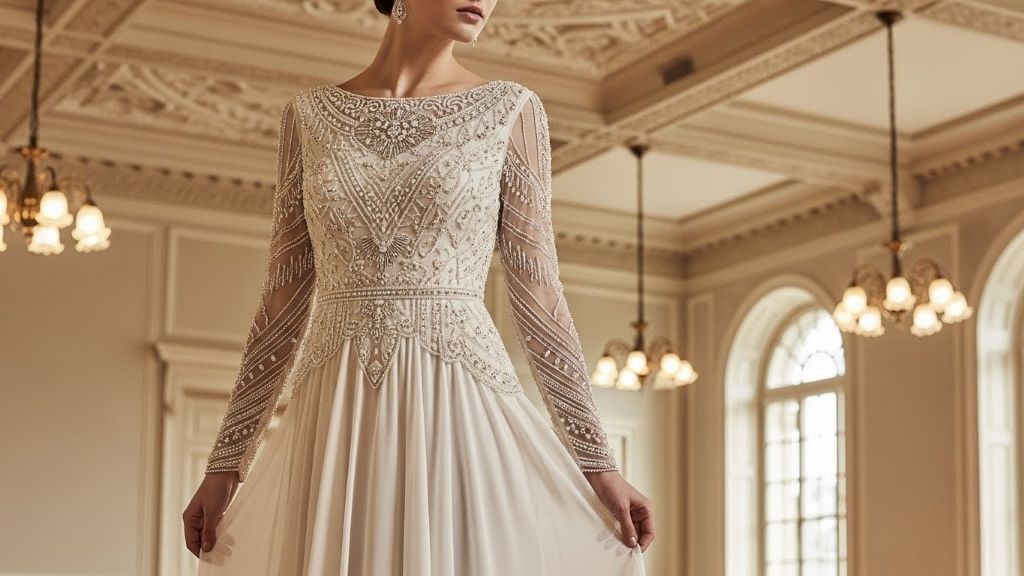
The drop waist wedding dress represents one of the most distinctive silhouettes in bridal fashion history. This elegant style, characterized by its lowered waistline that sits below the natural waist, has captivated brides for nearly a century. Understanding the historical significance of this design helps modern brides appreciate its timeless appeal and decide whether it suits their wedding vision.
The Origins of the Drop Waist Silhouette
The drop waist dress emerged during the 1920s as part of a revolutionary shift in women’s fashion. This era, known as the Roaring Twenties, brought dramatic changes to society and style. Women gained more freedom and independence, which reflected in their clothing choices. The drop waist silhouette broke away from the restrictive corseted styles of previous decades.
During this transformative period, designers created garments that allowed greater movement and comfort. The waistline descended to the hips, creating a straight, boyish figure that symbolized modernity. According to fashion historians at the Victoria and Albert Museum, this shift represented women’s desire for liberation from traditional constraints. The style quickly moved from everyday wear into bridal fashion, where it made an equally bold statement.
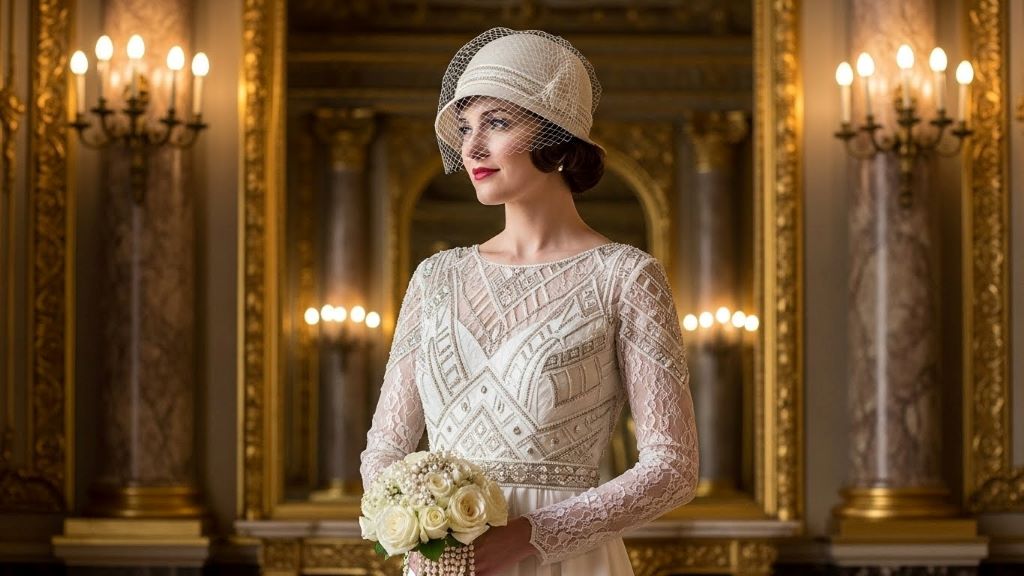
Flapper brides embraced this unconventional silhouette enthusiastically. They paired drop waist wedding dresses with shorter hemlines, beaded embellishments, and delicate headpieces. This marked a significant departure from the elaborate, heavily structured wedding gowns of the Victorian and Edwardian eras. Therefore, the drop waist wedding dress became synonymous with progressive, modern brides who rejected old conventions.
Design Characteristics That Define the Style
The drop waist wedding dress features several distinctive elements that set it apart from other silhouettes. The defining characteristic remains the lowered waistline, which typically falls anywhere from the high hip to the upper thigh. This placement creates a longer torso and shorter skirt proportion, fundamentally changing the dress’s visual balance.
Additionally, the bodice of a drop waist gown often incorporates intricate detailing. Beadwork, lace appliques, and embroidery frequently adorn the upper portion of the dress. These embellishments draw the eye upward and create visual interest across the elongated bodice. The neckline can vary widely, from high collars to deep V-necks, depending on the era and specific design.
The skirt typically features a looser, more flowing construction than fitted mermaid or trumpet styles. Many drop waist wedding dresses incorporate pleats, godets, or gentle A-line flares below the hip. This creates graceful movement as the bride walks. Some designs include dramatic elements like handkerchief hems or asymmetrical layers that enhance the dress’s romantic quality.
The Golden Age of Drop Waist Bridal Fashion
The 1920s represented the peak popularity of drop waist wedding dresses. During this decade, brides sought dresses that reflected contemporary fashion trends rather than adhering to traditional bridal conventions. The silhouette perfectly complemented the Art Deco aesthetic that dominated the era’s design sensibility.
However, the style’s influence extended beyond the 1920s. The 1960s witnessed a revival of drop waist designs as part of the mod fashion movement. Designers reinterpreted the silhouette with modern fabrics and updated details. This resurgence proved that the drop waist concept possessed enduring appeal that transcended its original era.
Throughout the decades, various designers have revisited and reimagined the drop waist wedding dress. Each iteration brings fresh perspectives while honoring the style’s historical roots. Contemporary bridal designers often blend vintage inspiration with modern construction techniques, creating gowns that feel both nostalgic and current.
How Drop Waist Dresses Flatter Different Body Types
Understanding which body types benefit most from drop waist wedding dresses helps brides make informed decisions. This silhouette particularly flatters women with rectangular or athletic body shapes. The lowered waistline creates the illusion of curves by visually separating the torso from the hips.
Petite brides can also wear drop waist dresses successfully, though careful attention to proportions matters. The key involves ensuring the waist doesn’t drop too low, which could shorten the legs excessively. A skilled tailor can adjust the waistline placement to create the most flattering effect for each individual bride’s height and proportions.
Conversely, brides with hourglass figures might find that drop waist styles minimize their natural curves. The lowered waistline can obscure the defined waist that many hourglass-shaped women prefer to emphasize. Nevertheless, some brides intentionally choose this silhouette precisely because they want a less overtly curvaceous look. Personal preference ultimately determines whether any particular style works for an individual bride.
Incorporating Vintage Elements Into Modern Weddings
Modern brides increasingly seek ways to incorporate historical fashion elements into their weddings. The drop waist wedding dress offers an authentic connection to bridal fashion history while still feeling fresh and distinctive. This makes it an excellent choice for vintage-themed weddings or celebrations in historical venues.
Pairing a drop waist gown with period-appropriate accessories enhances the overall vintage aesthetic. Consider adding a fingertip-length veil, T-strap heels, or a beaded clutch. These details help create a cohesive look that transports guests to another era. Additionally, hairstyles like finger waves or low chignons complement the dress’s 1920s origins beautifully.
Furthermore, photographers often appreciate the dramatic lines and unique silhouette of drop waist wedding dresses. The distinctive shape creates interesting visual compositions in wedding photos. The style photographs particularly well in architectural settings or against Art Deco backdrops, where the geometric lines of the dress echo the surrounding design elements.
Contemporary Interpretations of the Classic Silhouette
Today’s bridal designers continue to reinterpret the drop waist silhouette for contemporary brides. These modern versions often incorporate unexpected fabrics, updated embellishments, and innovative construction techniques. The result blends historical inspiration with current fashion sensibilities.
Some designers create minimalist drop waist gowns using clean lines and simple fabrics. These understated versions appeal to modern brides who appreciate the silhouette’s uniqueness without excessive ornamentation. Other designers take the opposite approach, layering intricate beadwork, dimensional flowers, or dramatic ruffles onto the classic shape.
The versatility of the drop waist design allows for endless creative possibilities. Designers experiment with everything from illusion necklines to statement sleeves, proving that this historical silhouette remains relevant and exciting. Therefore, brides can find drop waist wedding dresses that reflect virtually any aesthetic preference, from bohemian to glamorous.
Styling Tips for Drop Waist Wedding Dresses
Choosing the right undergarments proves essential when wearing a drop waist wedding dress. The lowered waistline requires specialized shapewear that provides smooth support without creating visible lines. Seamless pieces that extend from bust to thigh work best with this silhouette.
Jewelry selection also impacts the overall look significantly. Since drop waist dresses feature elongated bodices, longer necklaces or pendant styles often work better than chokers. However, if the dress includes heavy beading or embellishment on the bodice, simple stud earrings might provide better balance than elaborate jewelry.
Shoe choice matters more with drop waist dresses than with some other silhouettes. The lowered waistline can make the legs appear shorter, so selecting shoes with some heel height helps maintain balanced proportions. Additionally, the shoe becomes more visible with many drop waist styles, making it an important element of the complete ensemble.
Caring for Vintage-Inspired Bridal Gowns
Drop waist wedding dresses, especially those with historical-inspired embellishments, require special care and handling. Delicate beadwork and vintage-style fabrics need professional cleaning and preservation after the wedding. Research preservation specialists who understand working with embellished garments to ensure your dress remains in excellent condition.
During the wedding day itself, assign a trusted bridesmaid or wedding coordinator to help manage the dress. The lower waistline and often delicate construction mean these dresses need careful attention when sitting, dancing, or using the restroom. Having assistance available prevents accidental damage to precious details.
Storage before and after the wedding also deserves consideration. Hang the dress using padded hangers that support the weight without stressing the shoulder seams. Cover it with a breathable garment bag to protect against dust while allowing air circulation. Never store a drop waist wedding dress in plastic, which can trap moisture and damage delicate fabrics.
Conclusion
The drop waist wedding dress represents a fascinating chapter in bridal fashion history. From its revolutionary origins in the 1920s to contemporary reinterpretations, this distinctive silhouette continues to captivate brides seeking something different. The style offers a unique combination of historical significance, flattering proportions, and timeless elegance. Whether you’re planning a vintage-themed celebration or simply appreciate the architectural beauty of this design, a drop waist wedding dress makes a memorable statement. By understanding its history, design characteristics, and styling considerations, modern brides can confidently embrace this classic silhouette for their special day.
Frequently Asked Questions
What body type looks best in a drop waist wedding dress?
Drop waist wedding dresses particularly flatter rectangular and athletic body shapes by creating the illusion of curves. Petite brides can also wear this style successfully with proper proportional adjustments. However, brides with hourglass figures might find the style minimizes their natural waist definition.
Can I wear a drop waist dress for a formal wedding?
Absolutely. Drop waist wedding dresses can be incredibly formal depending on the fabric, embellishments, and overall design. Heavily beaded or embroidered versions with luxurious fabrics like silk or satin create an elegant, formal appearance suitable for black-tie weddings.
How do I accessorize a drop waist wedding dress?
Choose longer necklaces or pendants that complement the elongated bodice. Add vintage-inspired accessories like beaded clutches, Art Deco earrings, or fingertip veils. Select shoes with some heel height to balance the lowered waistline and maintain proportional harmony.
Are drop waist wedding dresses comfortable to wear?
Drop waist dresses typically offer more comfort than tightly fitted silhouettes because they don’t cinch at the natural waist. The looser construction around the hips and legs allows easier movement for dancing and sitting throughout your wedding celebration.
Where can I find authentic vintage drop waist wedding dresses?
Search specialized vintage bridal boutiques, online vintage retailers, and estate sales for authentic pieces. Alternatively, many contemporary designers create new dresses inspired by vintage drop waist styles, offering the historical aesthetic with modern construction and sizing.
Related Topics:
