
Key Takeaways
- Florida’s growing population demands advanced wastewater treatment solutions.
- Innovative technologies and collaborative efforts are essential for sustainable wastewater management.
- Recent projects demonstrate the successful implementation of sustainable wastewater engineering practices.
Florida’s rapid population growth and distinctive environmental ecosystems present significant challenges for wastewater management. As more people move to the state, the demand for efficient and sustainable systems grows. Implementing innovative wastewater engineering practices is essential to protecting water quality, preserving local habitats, and supporting ongoing development.
Florida’s unique combination of coastal areas, wetlands, and a subtropical climate requires wastewater treatment to go beyond conventional methods. Proper management is crucial for averting pollution and long-term ecological damage. Leveraging state-of-the-art engineering and sustainable practices offers a pathway for Florida communities to grow responsibly while safeguarding their natural resources and public health.
To support these advancements, new technologies and collaborative partnerships are being established to ensure the system can keep pace with increasing population demands. By integrating environmentally friendly strategies, Florida is setting benchmarks for other regions facing similar growth and infrastructure challenges.
For those seeking comprehensive wastewater solutions, these innovations demonstrate how thoughtful engineering is making a real impact on the state’s future.
Population Growth and Wastewater Challenges
The influx of new residents in Florida is shaping the state’s infrastructure landscape. Between 2010 and 2020, Florida’s population grew by over 14 percent, outpacing national averages and contributing to increased sewage and wastewater volumes. This surge puts stress on existing wastewater networks, many of which must be upgraded or expanded to prevent contamination of rivers, lakes, and coastal areas.
Improperly treated wastewater can lead to algal blooms, fish kills, and broader ecosystem degradation. It also risks public health by increasing pathogens in recreational and drinking water sources. Addressing these concerns requires not only new facilities but also smarter designs and operational strategies that minimize environmental impacts while accommodating growth.
Advanced Treatment Technologies
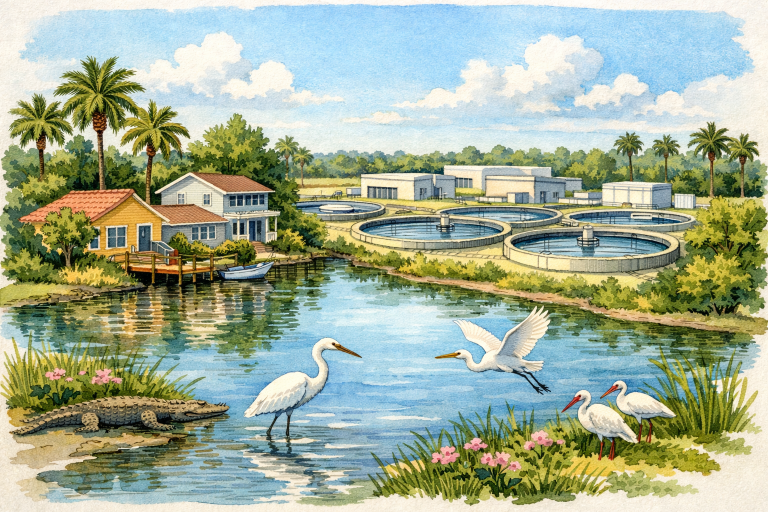
With higher wastewater volumes comes the need for more effective treatment solutions. Advanced treatment technologies, such as membrane bioreactors, nutrient removal systems, and reclaimed water reuse, are being integrated into municipal facilities to increase efficiency and ensure compliance with stringent environmental standards. These technologies help reduce the amount of nitrogen and phosphorus, nutrients that can fuel harmful algal blooms, from entering sensitive water bodies.
Modern automation and monitoring equipment are also improving daily operations. Real-time data collection allows facilities to adjust chemical dosing, energy use, and flows more precisely, reducing waste and operating costs. By employing state-of-the-art treatment techniques, Florida is better able to protect its waterways from pollution as urban areas expand.
Case Study: Sarasota County’s Bee Ridge Facility
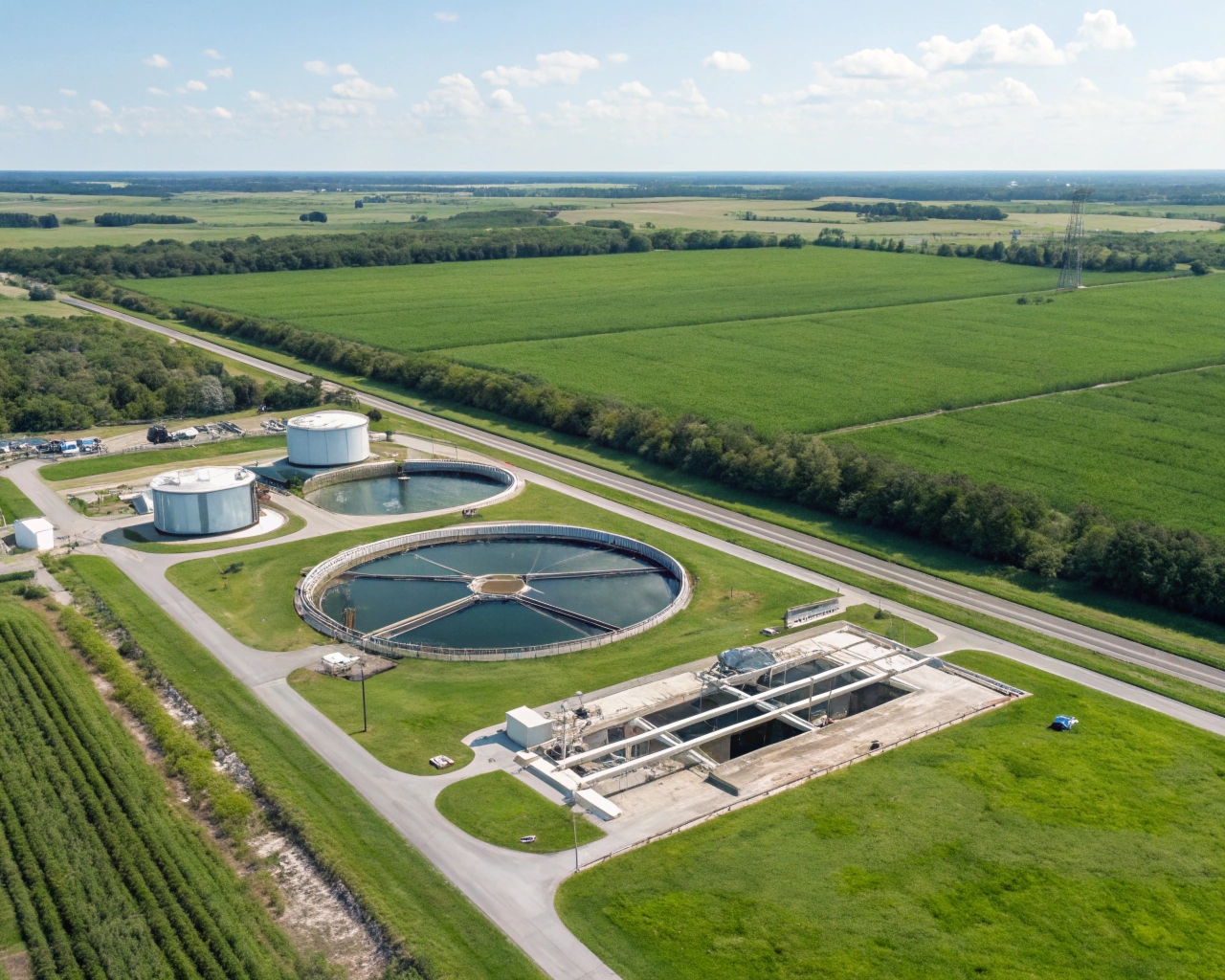
The Bee Ridge Water Reclamation Facility in Sarasota County exemplifies successful sustainable wastewater redevelopment. Responding to rapid growth and new regulatory mandates, the facility underwent a comprehensive upgrade to achieve advanced treatment status. This transformation involved installing new filtration units and biological nutrient removal processes, reducing nutrient discharges and protecting downstream environments such as the Gulf of Mexico.
Beyond technical improvements, the project incorporated energy-efficient techniques and minimized construction-related disruption to surrounding communities. Recognized for its holistic approach, the facility earned the Envision Gold award from the Institute for Sustainable Infrastructure, which recognizes projects that support environmental and community well-being. The story of Bee Ridge highlights the tangible benefits of municipal-level investments in sustainable infrastructure upgrades.
Collaborative Approaches to Wastewater Management
Sustainable wastewater management cannot be achieved in isolation. Increasingly, Florida agencies are forming partnerships with private entities, research institutions, and local stakeholders. The collaboration between Fort Pierce Utilities Authority and the Treasure Coast Energy Center is a prime example. By utilizing reclaimed water for power plant cooling, this partnership significantly reduced freshwater consumption and lowered costs for both parties.
Such adaptive reuse strategies not only lessen the draw on Florida’s limited water resources but also reduce the environmental footprint of local industries. Cooperative efforts allow for shared expertise and resources, driving innovation and creating scalable models that other communities can adopt to address similar challenges.
Future Directions in Sustainable Wastewater Engineering
Looking forward, Florida’s wastewater initiatives must keep pace with population growth and environmental pressures. Emerging trends, such as the integration of machine learning algorithms and predictive analytics, enable preemptive maintenance and optimized facility operations, reducing costs and energy consumption. Nature-based solutions, such as constructed wetlands and aquifer recharge, offer additional pathways to enhance resilience and ecosystem services during treatment.
Continued investment in research, pilot projects, and public education will drive the next wave of innovation. It is critical for policy-makers and industry leaders to prioritize solutions that not only efficiently manage wastewater but also contribute to the long-term sustainability of Florida’s treasured natural environments.
By adopting proven and emerging practices, communities can effectively meet today’s needs while preparing for tomorrow. Innovations in sustainable wastewater engineering are ensuring that Florida’s growth supports both vibrant communities and the protection of its unique environmental resources.