Key Takeaways
- Strategic use of fans can improve air movement and reduce reliance on air conditioning.
- Thermostat optimization helps balance comfort and energy savings throughout the day.
- Passive cooling techniques, such as adjusting window dressings and using light fabrics, help prevent heat gain.
- Regular air conditioning maintenance supports system longevity and performance.
- Investing in insulation and sealing your home leads to better indoor temperature control over time.
Maintaining a cool and comfortable home during the sweltering summer months in Lexington, Tennessee, can be challenging. When temperatures soar, many homeowners look for reliable air conditioning options to stay comfortable. However, staying cool is not just about running your AC nonstop. With the right strategies, you can beat the heat efficiently and affordably by combining smart habits, technology, and a few longer-term home improvements.
Learning how to keep your home cool is vital for both comfort and safety, especially during heat waves when high indoor temperatures can become hazardous. The good news is that you do not have to sacrifice energy efficiency or face rising utility bills if you approach summer cooling with a combination of immediate solutions and proactive home care.
Creating an environment that stays cool during the hottest days of summer often requires more than just adjusting the thermostat. By blending practical adjustments, such as switching the direction of ceiling fans, with changes to your window treatments and habits, you can optimize comfort and save on energy costs. Importantly, proper cooling also requires attention to your home’s structure and maintenance practices.
Choosing the right air conditioners for your space, keeping them running efficiently, and supplementing them with low-tech cooling measures will yield the best results throughout the summer season.
Strategic Use of Fans
Fans play a key role in household cooling, and their proper use can enhance airflow, distribute cool air evenly, and let you set the thermostat higher without sacrificing comfort. Ceiling fans should be set to spin counterclockwise in summer to create a breeze that cools the room. You can also use box or oscillating fans, positioned near shaded windows, to pull in cooler nighttime air. By creating cross-breezes and moving warm air out, fans can significantly reduce your reliance on air conditioning during milder summer days or evenings.
Optimizing Thermostat Settings
Energy experts recommend adjusting your thermostat for both comfort and efficiency. Setting it between 75°F and 78°F when at home strikes a good balance. When you leave the house, increase the temperature by 7 to 10 degrees to conserve energy. Programmable and smart thermostats can automate these settings and adjust them based on time of day, occupancy, and even weather patterns. According to the U.S. Department of Energy, each degree you raise the thermostat can save up to 3 percent on cooling costs.
Passive Cooling Techniques
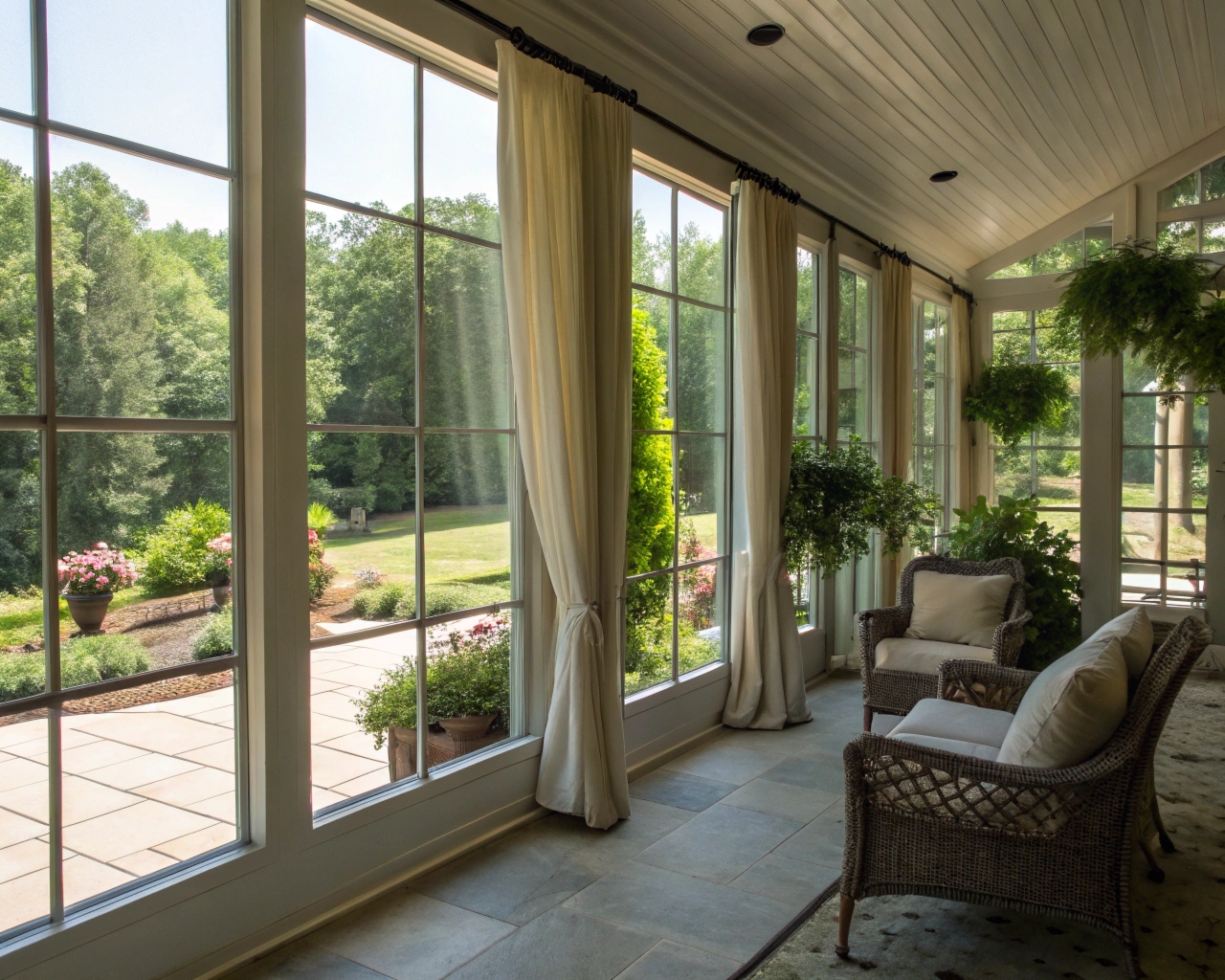
Passive cooling means reducing the amount of heat that enters and stays in your home, minimizing the work your AC needs to do. Use curtains and blinds to block direct sunlight during peak hours, especially on south- and west-facing windows. Switch to light-colored window dressings and natural fabrics like cotton or linen that absorb less heat and promote airflow. Ventilate your home during cooler evening and early morning hours by opening windows and doors safely, flushing warm air out and drawing in cool air. Consider covering windows with reflective films or shades to decrease solar heat gain.
Additionally, planting shade trees near windows or using outdoor awnings can provide effective, low-cost barriers against the sun’s rays, further lowering indoor temperatures without electricity use. These techniques not only enhance comfort but also contribute to a healthier, more sustainable household environment.
Regular AC Maintenance
Keeping your air conditioning system in peak condition is vital for its efficiency and reliability. Change or clean AC filters at least once a month during peak usage, and ensure vents and ducts are not blocked by furniture or dust. Schedule professional inspections before the start of heavy-use seasons to detect refrigerant leaks, electrical issues, or worn parts early. Maintenance ensures systems use less power to cool your home and helps avoid sudden breakdowns during heat waves. A well-maintained AC can also last several years longer, delivering both cost savings and peace of mind.
Long-Term Home Improvements
For a lasting impact on your home’s summer comfort, invest in upgrades such as improved insulation and air sealing. Adding insulation to attics and exterior walls helps keep heat outside and climate-controlled air inside. Sealing cracks and gaps around windows, doors, and ductwork with caulk or weatherstripping reduces drafts and prevents hot air infiltration. Modern reflective roofing materials and insulated shades can further lower indoor heat. Window films and tints are affordable additions that also provide measurable results. These improvements may require a higher upfront investment but can reduce cooling costs and extend the HVAC lifespan in the long run.
Conclusion
Residents of Lexington, TN, can create a consistently cool, comfortable home by combining quick-cooling wins like fan positioning and thermostat adjustments with smart investments in insulation and regular system maintenance. Thoughtful choices in window treatments, the use of quality air conditioners, and scheduling routine care all ensure your home stands up to Tennessee’s summer heat while keeping energy use in check. For more inspiration on home cooling improvements and to stay updated on energy-saving tips, consult trusted sources such as the U.S. Department of Energy and reputable home improvement publications. By staying proactive and informed, you can enjoy comfort, efficiency, and peace of mind all season long.