
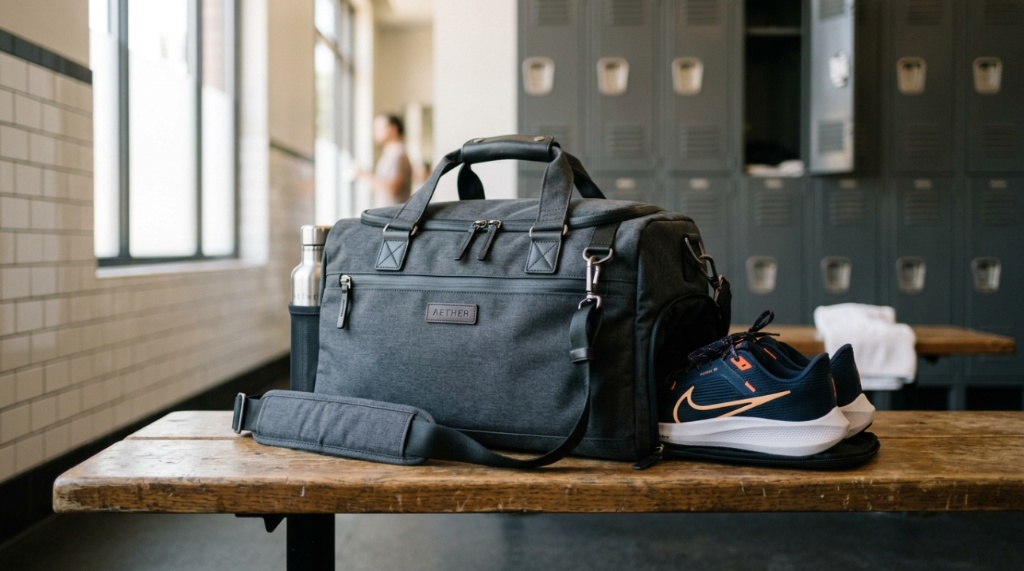
You are standing in the locker room, holding a pair of sweaty sneakers in one hand and a damp towel in the other, wondering how to stuff everything into your crammed duffel without contaminating your clean work shirt. This is the exact moment you realize you need a proper solution. A gym bag with a shoe compartment is not just a luxury; it is a daily necessity for anyone who values hygiene, organization, and convenience. By separating your footwear from your clothes, electronics, and toiletries, you eliminate cross-contamination and save time. In this guide, you will learn exactly what to look for, which features matter most, and how to pick the perfect bag for your lifestyle.
What Makes a Gym Bag With a Shoe Compartment Different?
A gym bag with a shoe compartment features a dedicated, isolated section that physically separates your footwear from the rest of your belongings. Unlike standard duffels where everything mixes together in one large space, this design prevents dirt, moisture, and odor from transferring to your clean clothes, towel, or laptop. The compartment is typically located at the bottom, side, or front of the bag and often has its own zipper and ventilation system.
Key Differences From a Standard Gym Bag
- Dedicated isolation: Shoes stay in their own sealed pocket.
- Moisture barrier: Many compartments have waterproof linings to trap sweat and mud.
- Odor control: Ventilation panels or mesh allows air circulation, reducing bacteria growth.
- Organization: The main compartment stays clean and clutter-free.
This design is especially valuable if you commute to the gym, go straight to work after a workout, or train multiple times per day. It keeps your life neatly compartmentalized without the need for separate bags or disposable plastic sacks.
Why Should You Separate Shoes From Your Other Gear?
Separating shoes from your other gear is important for hygiene, longevity of your belongings, and overall convenience. Gym shoes accumulate sweat, bacteria, and external grime from floors, locker rooms, and outdoor surfaces. Without separation, that contamination spreads to your towels, change of clothes, and even your electronics bag.
Hygiene Considerations
Bacteria thrive in warm, moist environments. When you toss damp sneakers directly into a bag with a wet towel, you create a breeding ground for mold and unpleasant odors. A dedicated shoe compartment with ventilation reduces this risk significantly. Many bags include antimicrobial linings or waterproof materials that make cleaning easier.
Protecting Your Belongings
If you carry a laptop, tablet, or work documents to the gym, a stray shoe sole can scratch or damage these items. A shoe compartment creates a physical barrier that keeps sharp edges and dirt away from delicate gear. This protection also extends to your clothing, ensuring your post-workout shirt stays fresh and presentable for the office or social engagements.
Which Compartment Location Is Best for Your Needs?
The best compartment location depends on how you pack and access your gear. There are three common placements: bottom, side, and front. Each offers distinct advantages depending on your daily routine.
| Location | Best For | Considerations |
|---|---|---|
| Bottom compartment | Heavy shoes, gym-goers who pack large items first | Keeps center of gravity low; shoes may compress other items if overstuffed |
| Side compartment | Quick access, people who change shoes at the gym | Often smaller; may not fit larger basketball or hiking shoes |
| Front compartment | Frequent access, easy separation of shoes from main load | Can make bag front-heavy; typically designed for smaller footwear |
Consider your dominant hand, how you carry the bag, and whether you need to grab your shoes without unpacking the main compartment. For most people, a bottom compartment offers the best balance of capacity and weight distribution.
How Much Capacity Do You Really Need?
The ideal capacity for a gym bag with shoe compartment ranges from 30 to 50 liters, depending on your training frequency and gear volume. A 30-liter bag works well for minimalists who carry only a change of clothes, towel, toiletries, and one pair of shoes. A 50-liter bag suits those who bring multiple shoe pairs, extra layers, lifting belts, and recovery tools.
Assess Your Daily Gear
- Minimalist (1–2 hours): 30–35 liters. Enough for one pair of shoes, shorts, shirt, towel, and a small toiletries kit.
- Regular gym-goer (2–3 hours): 40–45 liters. Accommodates shoes, full outfit, jacket, resistance bands, water bottle, and a laptop.
- Cross-training or sports enthusiast (3+ hours): 45–55 liters. Fits multiple shoe types, protective gear, extra towels, and larger personal items.
Always choose a bag slightly larger than your current needs. You will inevitably add a snack, a hoodie, or an extra pair of socks. A cramped bag forces you to overstuff, which reduces organization and can damage the shoe compartment zipper over time.
Can a Shoe Compartment Fit Multiple Pairs of Shoes?
Yes, many gym bags with shoe compartments can hold two pairs of shoes, but you need to verify the dimensions and design. Some compartments are sized for a single pair of standard training shoes, while others accommodate larger footwear such as lifting boots or basketball sneakers.
Single vs. Double Shoe Compartments
If you train in multiple disciplines or need separate indoor and outdoor shoes, look for bags that explicitly list “double shoe capacity” or have an oversized lower compartment. Measure your largest shoe pair (length and width) and compare it to the internal dimensions provided by the manufacturer. A common mistake is assuming all shoe compartments are the same size; they vary significantly between brands.
Packing Tips for Two Pairs
- Place larger shoes at the bottom, smaller ones on top.
- Use a shoe bag for extra protection if the compartment lacks a divider.
- Avoid overstuffing the compartment to prevent zipper strain.
What Materials Offer the Best Durability and Easy Cleaning?
The best materials for a gym bag with a shoe compartment are high-denier nylon, polyester, or waterproof fabrics like TPU-coated nylon. These materials resist abrasion, repel moisture, and wipe clean with a damp cloth. Canvas and cotton look stylish but absorb moisture and odors, making them less practical for regular gym use.
Material Comparison
| Material | Durability | Water Resistance | Ease of Cleaning |
|---|---|---|---|
| Nylon (600D–1680D) | High | Moderate to high | Very easy |
| Polyester | Moderate | Moderate | Easy |
| TPU-coated nylon | Very high | Excellent | Very easy |
| Canvas | Moderate | Low | Difficult |
For the shoe compartment specifically, look for a waterproof or water-resistant lining. This prevents moisture from seeping into the main bag and keeps any mud or liquid contained. Some premium bags feature a removable shoe pouch that you can wash separately, which is a huge advantage for long-term cleanliness.
Which Extra Features Actually Improve Your Experience?
Extra features can transform a good bag into a great one, but not all features are worth the extra cost. Focus on enhancements that solve real problems you face during your gym routine.
Must-Have Features
- Ventilation panels: Mesh or grommets allow airflow to dry shoes and reduce odor.
- Water-resistant shoe pocket: Prevents moisture from escaping into the main compartment.
- Padded shoulder strap: Essential for heavier loads; look for a non-slip design.
- External water bottle holder: Keeps hydration accessible without opening the main compartment.
- Laptop sleeve: Protects your computer if you commute to work after the gym.
Nice-to-Have Features
- USB charging port: Convenient for charging your phone on the go.
- Wet pocket: Separate compartment for sweaty clothes or a damp towel.
- Key clip or lanyard: Prevents losing small items at the bottom of a deep bag.
- Reflective strips: Improves visibility if you walk or cycle to the gym in low light.
Prioritize features based on your lifestyle. If you drive to a 24-hour gym, reflective strips matter less than if you walk through a city at night. Similarly, a laptop sleeve is critical for a desk worker but unnecessary for someone who goes straight home after training.
How Do You Maintain a Gym Bag With a Shoe Compartment?
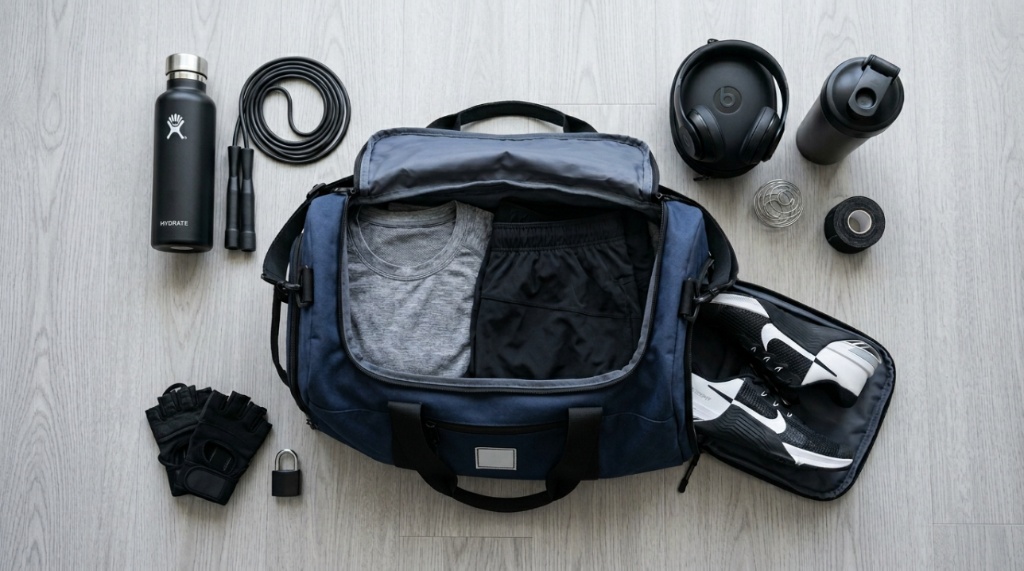
Maintaining your gym bag with a shoe compartment is straightforward if you establish a quick cleaning routine. Neglecting this task leads to odor buildup, discoloration, and material degradation over time.
- Empty the bag completely after each use, especially the shoe compartment.
- Shake out loose dirt and debris from the shoe compartment over a trash can.
- Wipe down the interior with a microfiber cloth and mild soap solution. Focus on the shoe area.
- Air dry both compartments by leaving zippers open in a well-ventilated space for at least 30 minutes.
- Deep clean monthly by hand-washing the bag with gentle detergent or using a damp cloth for spot cleaning.
- Deodorize with baking soda by sprinkling a small amount inside the shoe compartment, letting it sit overnight, and vacuuming it out.
Never machine wash a bag with a structured shoe compartment unless the manufacturer explicitly allows it. The agitation can warp the compartment’s shape and damage internal coatings.
When Should You Replace Your Gym Bag?
You should replace your gym bag when the shoe compartment loses its waterproof lining, the zipper fails, or the straps become frayed and uncomfortable. A quality bag typically lasts two to four years with regular use, depending on materials and maintenance.
Signs It Is Time for a New Bag
- Persistent odor that does not fade after cleaning.
- Tears or holes in the shoe compartment fabric.
- Zipper that sticks, jams, or separates.
- Strap padding that has flattened or cracked.
- Water leakage from the shoe area into the main compartment.
Upgrading earlier rather than later prevents embarrassing leaks or broken zippers at the gym entrance. A reliable bag is an investment in your daily routine and peace of mind.
How Does a Shoe Compartment Bag Compare to Using Separate Shoe Bags?
A gym bag with a built-in shoe compartment offers superior convenience and organization compared to using a standalone shoe bag inside a regular duffel. While separate shoe bags are cheaper, they often get lost, slide around inside the main bag, and do not provide ventilation or waterproofing.
Comparison Table
| Feature | Built-in Shoe Compartment | Separate Shoe Bag |
|---|---|---|
| Organization | Excellent; fixed location | Fair; can shift or bunch |
| Ventilation | Often included | Rarely included |
| Waterproofing | Common in shoe area | Varies by product |
| Convenience | High; no extra bag needed | Medium; requires extra packing step |
| Cost efficiency | Higher upfront but all-in-one | Lower upfront but requires two purchases |
If you prefer maximum simplicity and do not want to manage multiple accessories, a built-in compartment is the better choice. Separate shoe bags work well for travelers who want to repurpose the bag for non-gym uses, but they add friction to a daily routine.
Choosing the right gear is all about adapting to your current lifestyle and daily routines. Interestingly, this focus on functional, health-conscious habits doesn’t stop when your career does; it mirrors some of the major shifts we are seeing in later life stages. For instance, staying active and organized connects deeply with the 7 trends being seen in retirement where wellness and active travel dominate daily schedules.
Frequently Asked Questions
Can I wash my gym bag with a shoe compartment in a washing machine?
It is not recommended unless the manufacturer explicitly states machine-washable. The shoe compartment’s structure, padding, and waterproof lining can be damaged by machine agitation. Hand washing with mild soap and air drying is the safest method.
How do I remove strong odor from the shoe compartment?
Baking soda is the most effective natural deodorizer. Sprinkle a thin layer inside the compartment, leave it overnight, and vacuum thoroughly the next day. For persistent odors, use a mixture of equal parts water and white vinegar, wipe the interior, and let it air dry completely.
What size bag do I need for lifting shoes and regular training shoes?
A 40 to 50-liter bag is ideal if you carry both lifting shoes (which are often bulkier) and regular training shoes. Ensure the shoe compartment length is at least 14 inches to accommodate most men’s lifting shoes snugly.
Are gym bags with shoe compartments only for athletes?
No, they are useful for anyone who separates footwear from other items, including travelers, hikers, yoga practitioners, and commuters who carry work shoes. The compartment keeps dirty or wet shoes away from clean clothing regardless of the activity.
How do I prevent the shoe compartment from leaking moisture into the main bag?
Look for a bag with a welded or taped waterproof seam in the shoe compartment. Additionally, avoid packing soaking wet shoes without first towel-drying them. Some bags include a separate vented wet pocket that adds an extra layer of protection.
Can I use the shoe compartment for items other than shoes?
Yes, the compartment works well for storing wet swimwear, dirty laundry, muddy gloves, or even a small toolkit. Its waterproof and ventilated design makes it versatile for any item you want to isolate from the rest of your gear.
How much should I spend on a quality gym bag with a shoe compartment?
A reliable bag ranges from $50 to $150. Budget options between $30 and $50 often use thinner materials and less durable zippers. Spending a bit more ensures better ventilation, stronger stitching, and a longer lifespan.
Conclusion
Choosing the right gym bag with a shoe compartment comes down to understanding your daily needs, your gear volume, and the features that genuinely improve your routine. Prioritize a bag with adequate capacity, durable and water-resistant materials, proper ventilation, and a compartment location that matches how you access your shoes. Invest a little extra in quality construction, and your bag will serve you reliably for years. Now that you know exactly what to look for, it is time to find a bag that fits your style and workout habits. Start your search today and experience the difference that true organization makes in your fitness journey.